I have already argued over a mug left in the sink.
At the time, it seemed perfectly reasonable. After all, how long does it take to put it in the dishwasher?
And yet, with a little distance, I’ve often wondered how something so insignificant could sometimes take up so much space in a day.
Because the mug was never really the issue.
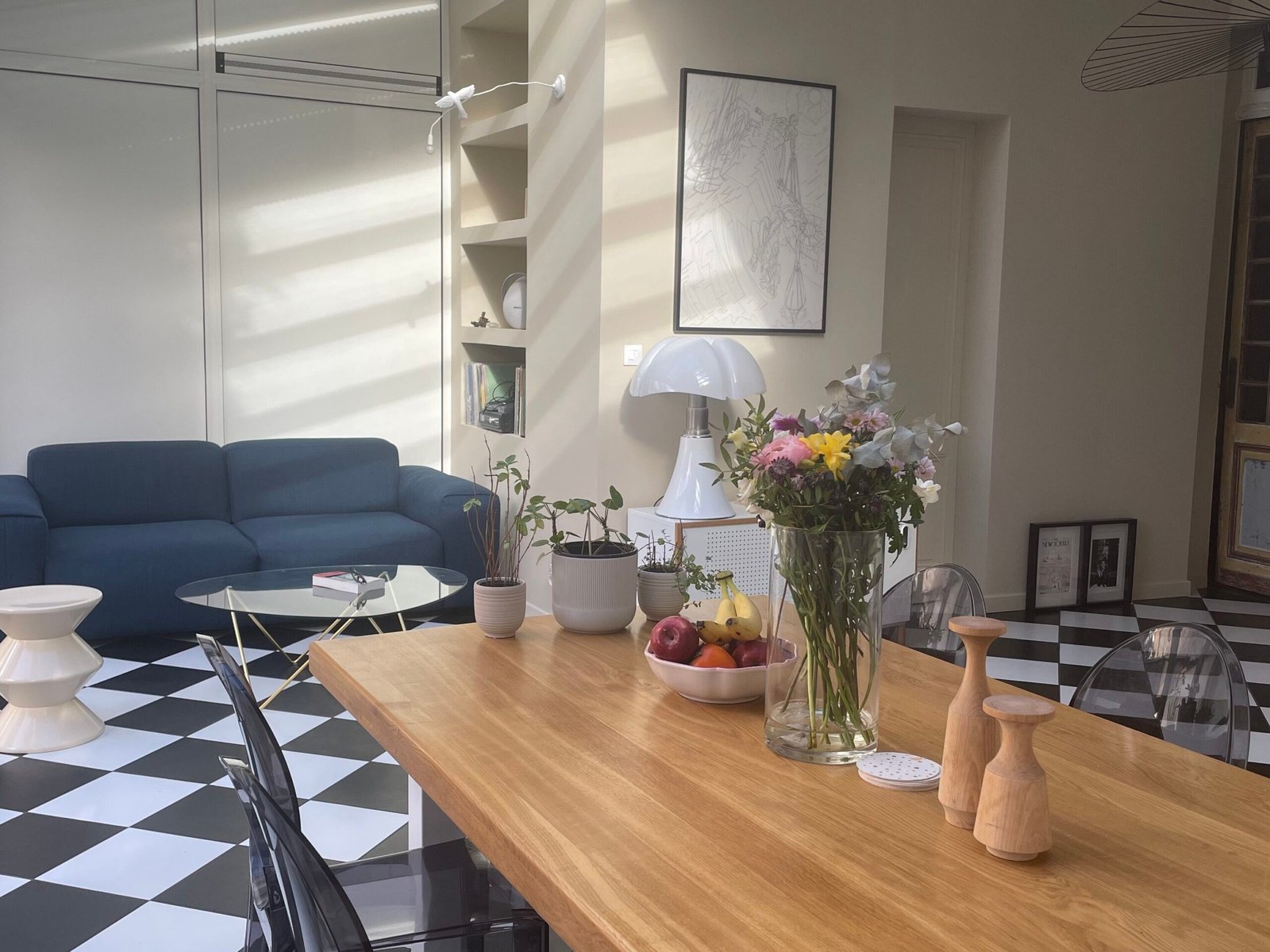
I like homes that breathe. I like uncluttered tables, cushions neatly arranged, fresh flowers in a vase. I’m sensitive to light, materials, and the small details that make a place pleasant to live in.
And perhaps that’s precisely why certain little things sometimes have the power to irritate me more than they should.
What Stands Out
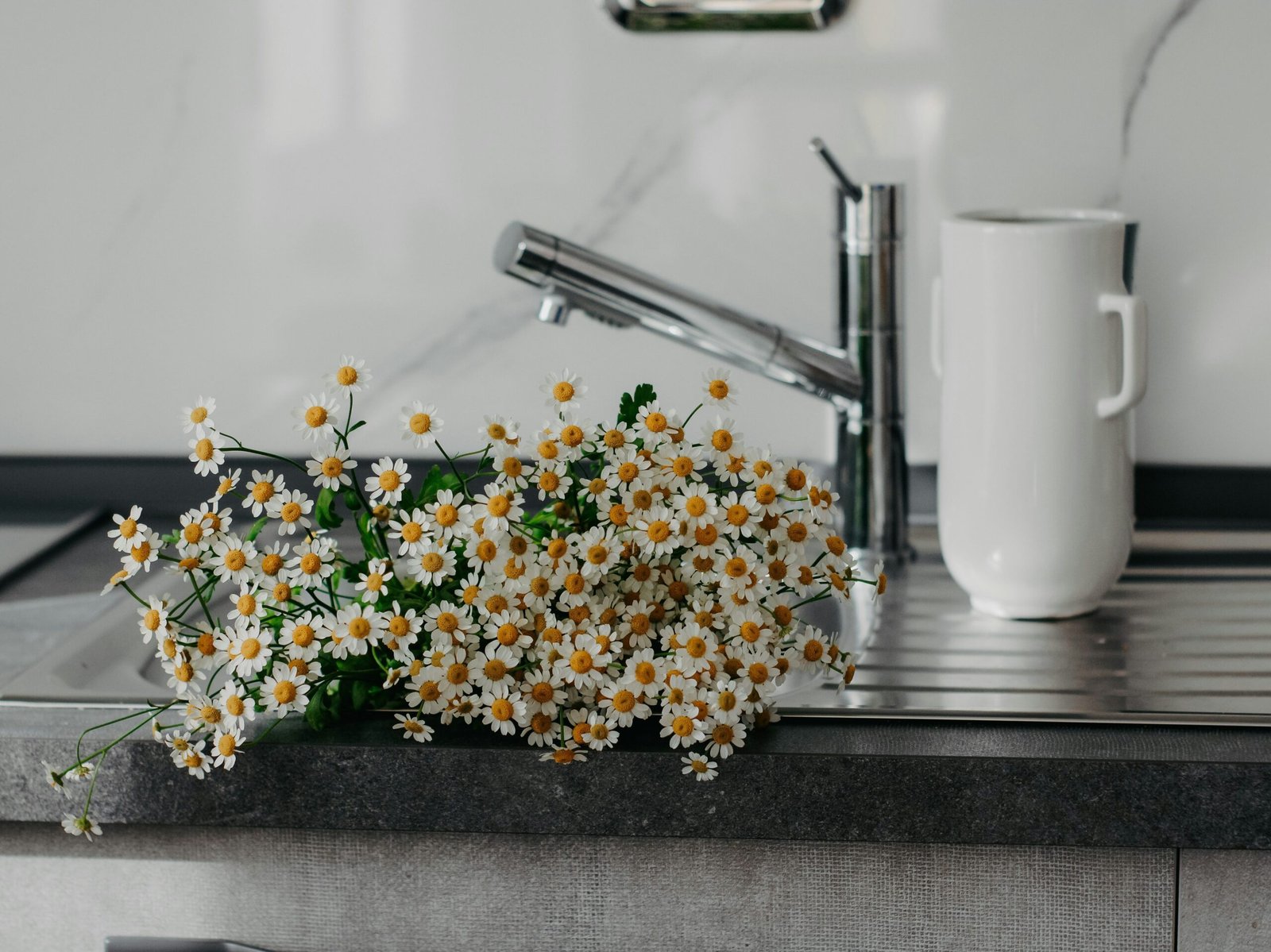
A mug left in the sink.
A jacket draped over a chair.
A few pairs of shoes in the hallway.
Nothing serious.
And yet these details sometimes have a way of capturing all of our attention.
It’s strange how quickly we become accustomed to what is going well. A welcoming home, a pleasant day, people we love, a room filled with natural light. All of it quickly fades into the background.
Then all it takes is one small thing out of place for our eyes to settle on it.
As though our minds were naturally drawn to what still needs fixing rather than to what is already worth appreciating.
The Subtle Trap of Perfection
We live in a time when everything seems open to improvement.
Our habits.
Our schedules.
Our careers.
Our homes.
The images we see every day show immaculate interiors, perfectly mastered routines and carefully curated lives.
Over time, it becomes easy to believe that somewhere there is an ideal version of everyday life.
A version in which everything is finally in its place.
And yet, in a lived-in home, there is always something left to do: something to put away, a message to answer, an appointment to schedule, a load of laundry to start.
For a long time, I thought calm existed on the other side of that list.
Eventually, I realised the list never truly ends.
A Home That Is Lived In
A home is not a showroom.
It is a place where days unfold, conversations linger, children pass through, projects accumulate and life occasionally leaves traces behind.
Some deserve to be tidied away.
Others simply deserve to be put back in their proper place in our minds.
A mug left in the sink is not always a sign of carelessness.
No more than a displaced cushion is a sign that something is wrong.
Sometimes they are simply the quiet marks of a home where real life is happening.
What Is Already There
For a long time, I believed calm came from order.
Today, I wonder if it comes more from the attention we choose to give things.
Because there will always be something to tidy, fix or improve.
We spend a great deal of time looking for what could be better.
That is probably what helps us move forward.
But the things that give a home its value are not always the things that can be corrected.
More often than not, they are already there.
When Imperfection Becomes Desirable
For decades, interior design magazines celebrated immaculate homes: perfectly aligned cushions, uncluttered surfaces and carefully curated objects. The ideal home often looked like a place where nobody actually lived.
In recent years, however, the opposite movement has emerged across interior design, hospitality and architecture. The most admired spaces are no longer necessarily the most perfect. They are often the ones that feel personal, lived-in and authentic.
A table marked by time, a bookshelf filled with books, a weathered armchair or a kitchen that appears genuinely used tell a story that no amount of styling can reproduce.
Designers sometimes refer to these spaces as lived-in interiors — homes that do not strive to be flawless, but instead reflect the lives of the people who inhabit them.
At a time when everything seems open to optimisation, this approach offers a simple reminder: character is often born from what escapes perfection.