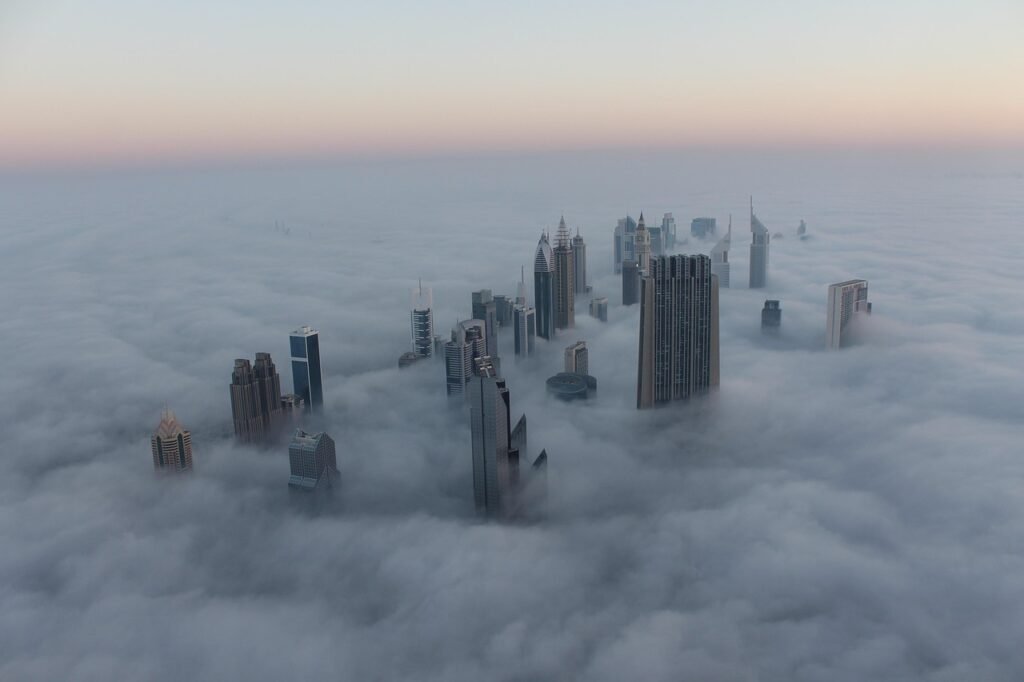
I refused to go to Dubai for a long time.
Because of its clichés, its overwhelming image, sometimes loud, and that sulphurous reputation that seemed to leave little room for nuance, quiet elegance, or anything truly delicate.
And then, after hearing it described the same way over and over again, I began to understand that the issue was perhaps not the city itself, but the way we look at it.
Dubai is not only what it displays most loudly.
It deserves to be noticed in its in-between spaces.
In a shaded alley in Al Fahidi, when the heat begins to soften.
In an almost empty café on a weekday morning.
In the unexpected silence of a beach, before the city fully wakes.
Once you stop consuming it as a spectacle, Dubai becomes deeply interesting.
It is not a city you love immediately.
It is a city you choose — or you don’t.
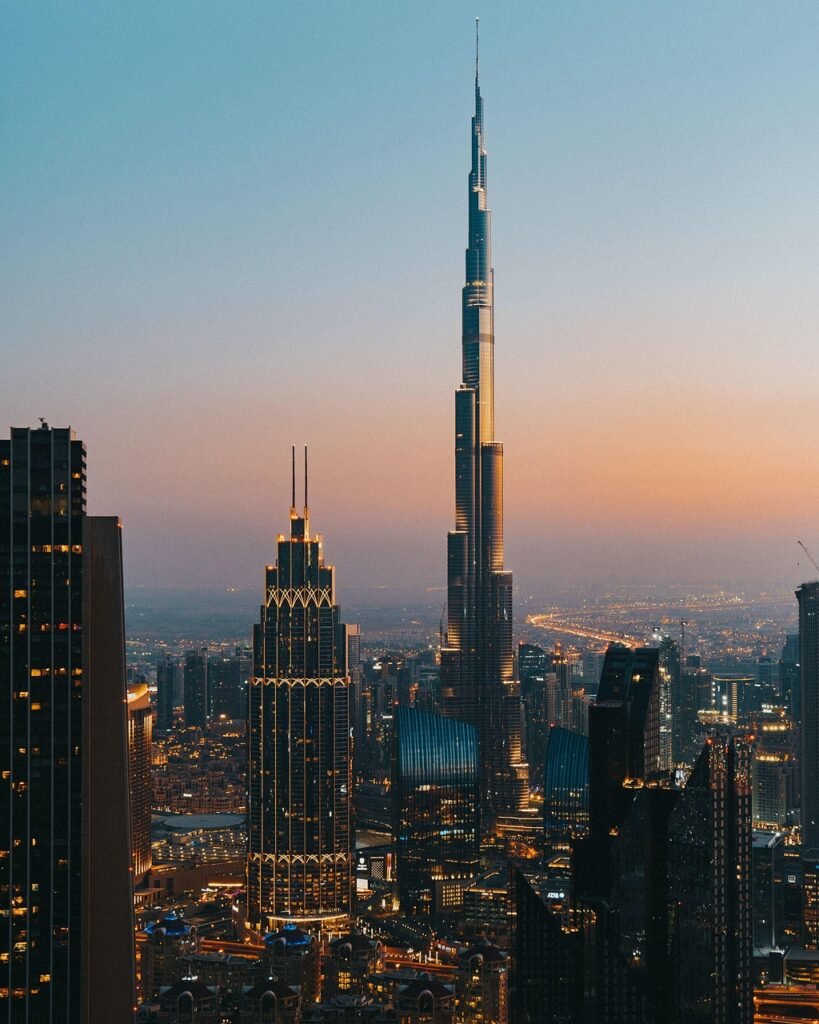
Behind the exuberance, a softness you have to earn
Dubai doesn’t need to be loved for what it shouts, but for what it whispers.
In the historic district of Al Fahidi, time slows down.
Weathered walls, quiet courtyards, narrow streets that invite you to wander without purpose.
Along Dubai Creek, abras glide gently from one bank to the other.
The gesture is simple, almost ordinary, and yet it tells the story of another Dubai — older, more human.
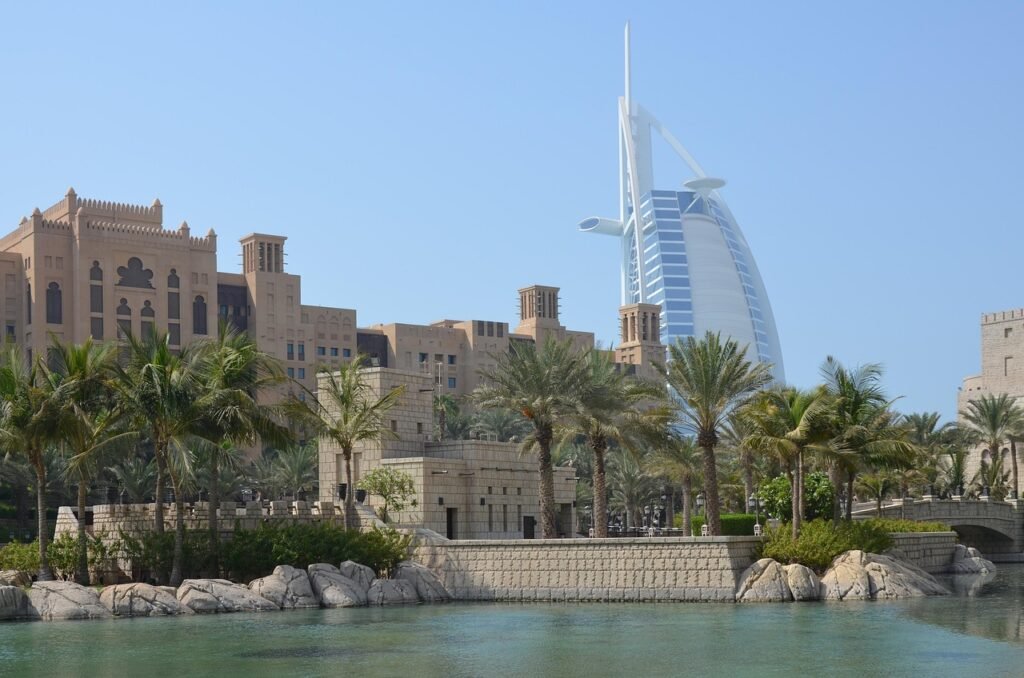
Further west, Jumeirah offers a completely different rhythm.
Low buildings, open air, an almost residential atmosphere.
You walk along the sea, you stop for no reason, you let the light organise the day for you.
It is a Dubai of everyday life, rarely shown, yet profoundly soothing.
Slowing down in Dubai does not mean disappearing.
It requires, on the contrary, a kind of active attention.
You have to choose: what you cross through, what you ignore, what you truly look at.
Dubai does not reveal itself to those seeking instant emotion.
It speaks more to those willing to edit, not to consume less, but to consume with more intention.
Perhaps a city known for its noise can become unexpectedly precise, almost elegant, once you stop treating it like a catalogue.
Dubai is neither intimate nor spectacular by nature.
It becomes fascinating when approached as a space to inhabit — temporarily, with discernment.
This is not a destination you endure.
It is a city you compose.
And in that composition — between intense light, intoxicating warmth, seamless logistics, and possible escapes — Dubai reveals something rare:
the ability to let everyone decide the level of intensity they wish to live.
Where to stay, in the shade of the skyscrapers
XVA Art Hotel
A charming hotel nestled inside a restored traditional house.
Art, calm, an inner courtyard.
Ideal for a family looking for meaning rather than spectacle.
Al Seef Heritage Hotel
An elegant immersion in an older Dubai, reinterpreted with sobriety.
Everything is walkable, the atmosphere peaceful, almost timeless.
Jumeirah Dar Al Masyaf
More spacious, wonderful for families.
Greenery, canals, beach access.
Comfort without ostentation.
Gourmet pauses
Orfali Bros Bistro
Sincere, creative, warm cooking.
A place where you feel genuinely good, even with children.
SEVA
A soothing, vegetarian, almost meditative space.
Perfect for slowing down and having lunch without agitation.
Wild & The Moon
Simple, bright, without dogma.
An obvious choice for healthy, quick, genuinely good meals.
Bait Maryam
Levantine cooking that feels warm and precise, without folklore.
Dishes that carry a family story.
Shopping and small indulgences
Gold & Diamond Park
A group of independent jewellers, away from the Gold Souk (which is worth seeing as well).
Specialised workshops focused on bespoke pieces, with real freedom of design.
Comptoir 102
A concept store blending fashion, objects and café culture.
A curated selection of discreet brands and everyday pieces.
The Edit Dubai
A multi-brand boutique built around a contemporary wardrobe.
Small collections, far from logos and seasonal noise.
Tashkeel
A space dedicated to design and local creation.
Objects, books and editions born from collaborations with artists and designers from the region.
Alserkal Avenue
A creative district set inside former warehouses.
Galleries, bookshops and studios you can explore on foot, without a prescribed route.
The desert and more
The desert, in its contemplative version, early in the morning or at sunset.
Walk, sit down, watch the landscape shift.
The silence is striking, nourishing.
Crossing the Creek by abra is simple and inexpensive.
Jumeirah’s beaches during the week, barefoot, without staging.
Here, nothing to achieve. Just to be there.
Day trips to neighbouring cities
And if time allows, several neighbouring cities are easily accessible.
Simple escapes — for a day or a short night — offering other readings of the region.
Abu Dhabi
About an hour’s drive away, Abu Dhabi feels more cultural, more institutional.
Museums, contemporary architecture designed for contemplation, wide calm spaces.
A structured day, quieter than Dubai.
Sharjah
Even closer, Sharjah offers a different atmosphere: more rooted, more local, less staged.
You sense more history and tradition, away from social noise.
Oman
If you have more time, Oman becomes an obvious extension.
In under an hour’s flight, the landscape changes completely: mineral mountains, long roads, sober villages.
A natural continuation for those who want something more raw, more silent.
So many possible breaths, without weighing down the journey.
Dubai imposes nothing.
It lets you be.
And that is, perhaps, exactly what we are looking for.
Maison Chill Notes
Skip Downtown for sleeping
Downtown is impressive, but it can feel overwhelming quickly.
For a more grounded experience, stay in neighbourhoods such as Jumeirah,
Al Seef or Al Fahidi, and cross Downtown intentionally rather than by default.
Plan a mid-day return
Go out early, when the light is still soft and the city moves more quietly,
then return to your hotel before the heat and tempo rise.
This pause changes everything: you see more clearly,
accumulate less fatigue, and step out again in the late afternoon with renewed energy.