Skip to content

  • Stockholm, the City That Calms You

    I didn’t expect to love Stockholm quite this much in summer. I’ve travelled a lot, and some cities have fascinated me, while others have thrilled me, but Stockholm gave me something much rarer: an almost immediate sense of calm.

    There is something deeply serene in the way Swedes inhabit their city. People are courteous, friendly, discreet, rarely loud or intrusive. Very little aggressive behaviour, very few everyday incivilities, and almost none of the constant noise that you eventually stop noticing in some major cities. Even when there are people everywhere, the atmosphere somehow remains remarkably gentle.

    Perhaps that is what struck me most about Stockholm: this very Nordic way of simply being there, fully present, without taking up all the space.

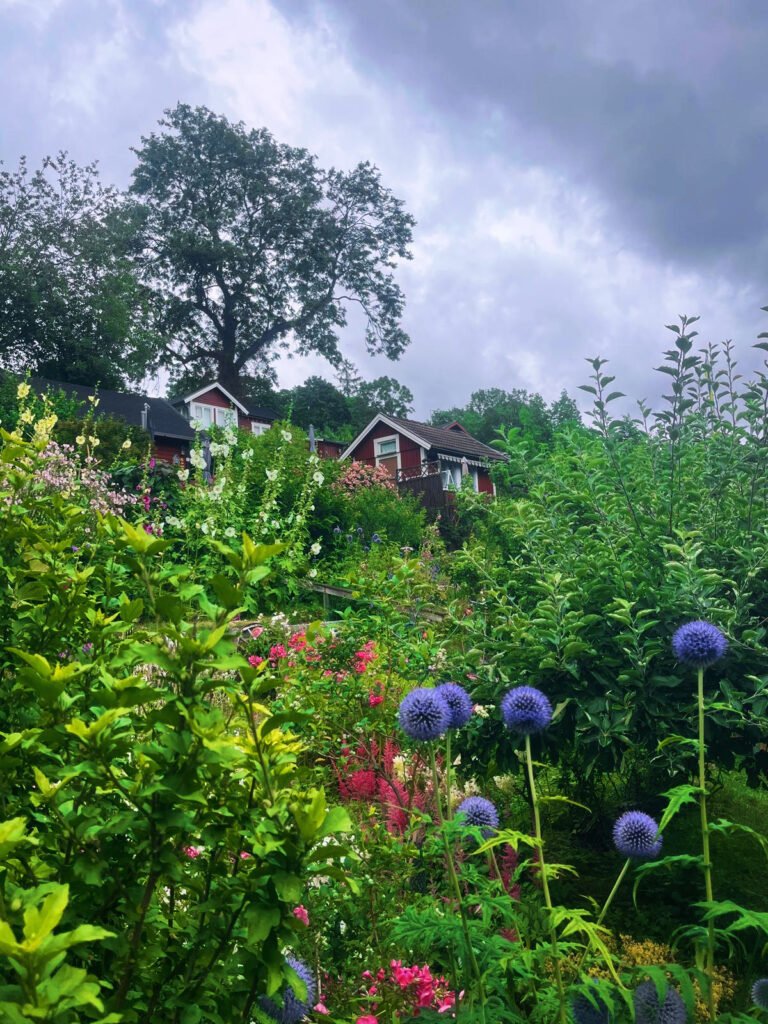
    We were staying in Södermalm, on Tantogatan, in an apartment overlooking the most pleasant part of Tantolunden. The children swam on the little beach right in front of us despite the decidedly chilly water, while around them, flowers, tall trees and warm red and brown wooden houses tucked beneath the foliage created a setting I would never have expected to find in such a populated part of Stockholm.

    In the evening, people were still out enjoying the neighbourhood. There was a mini-golf championship, Scandinavian dance and music classes, squirrels, rabbits running through the grass, and ducks with their ducklings wandering among the visitors without the slightest concern. It was probably this very visible connection with nature, with its gardens, flowers and almost bucolic side, that surprised me most.
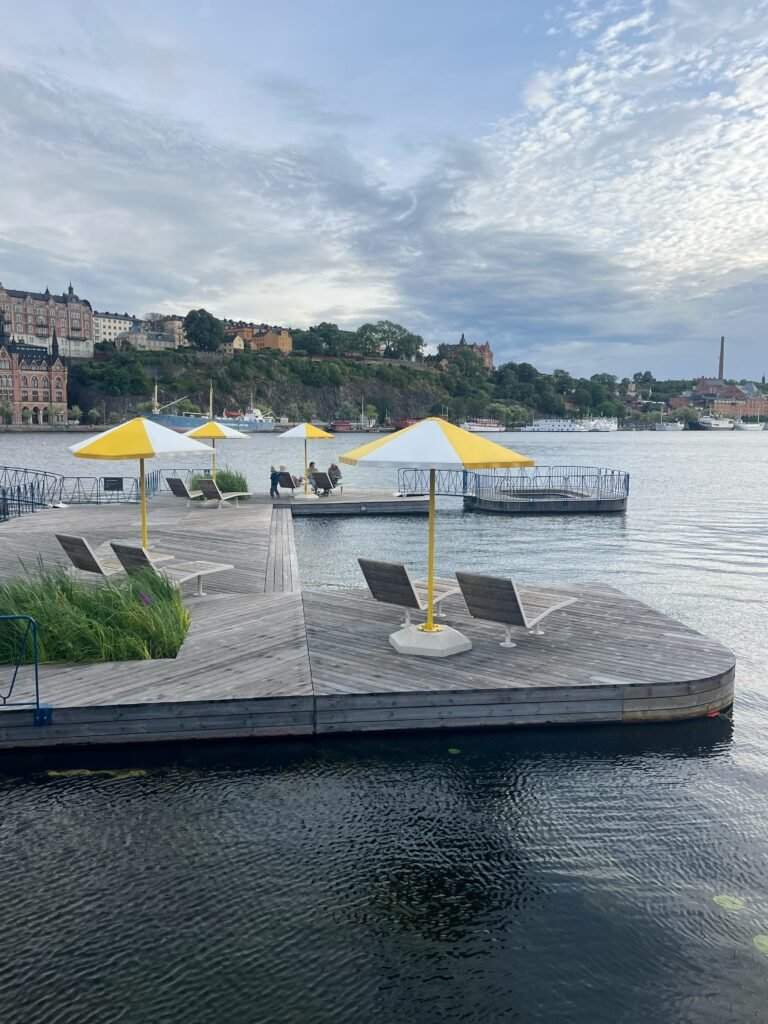
    We walked an enormous amount during our stay. Our step-counting app probably had its best week of the year, but Stockholm is so easy to explore on foot that it would have been a shame to do otherwise. You move from one island to another, cross a bridge, follow the water and suddenly find yourself in a completely different setting.

    And when your legs start protesting, the enormous benches that look almost like loungers are the perfect excuse to stop. Some breaks can even end with a swim, since Stockholm offers plenty of opportunities for bathing, as well as unexpected swimming spots right in the city.

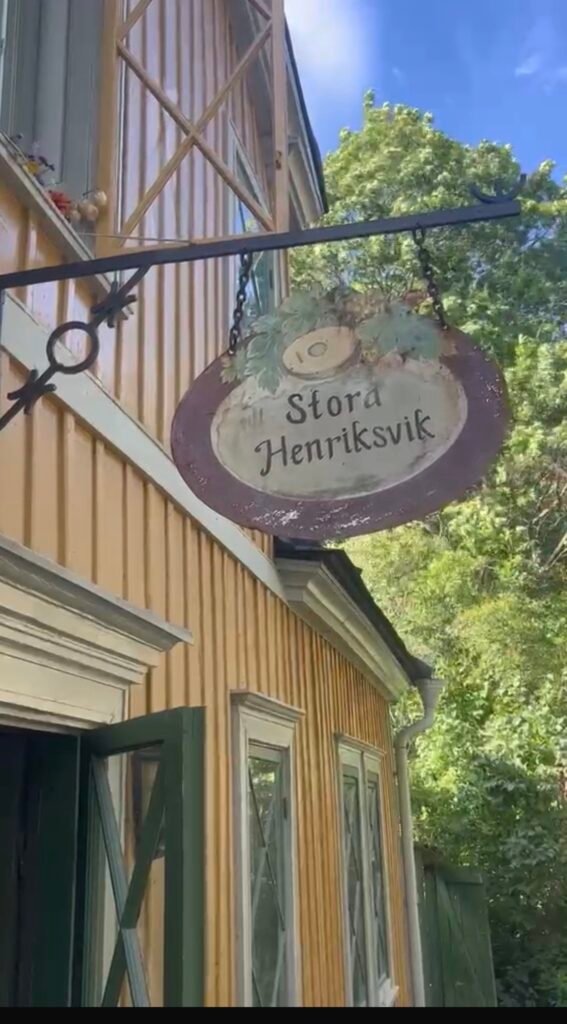
    From Södermalm, we made our way to Långholmen, a very green little island known for its paths, beaches and waterfront walks. I particularly loved Stora Henriksvik, a café-restaurant set in an old house surrounded by a garden, where you can have lunch or a coffee before continuing your walk.
    We also had two other parts of Södermalm that we particularly enjoyed crossing before heading towards Gamla Stan: SoFo and Mariatorget. South of Folkungagatan, SoFo is packed with small fashion, design, vintage and homeware shops, cafés and galleries. Around Mariatorget and Hornsgatan, the atmosphere is slightly different, with more independent shops, second-hand stores and little places worth discovering.
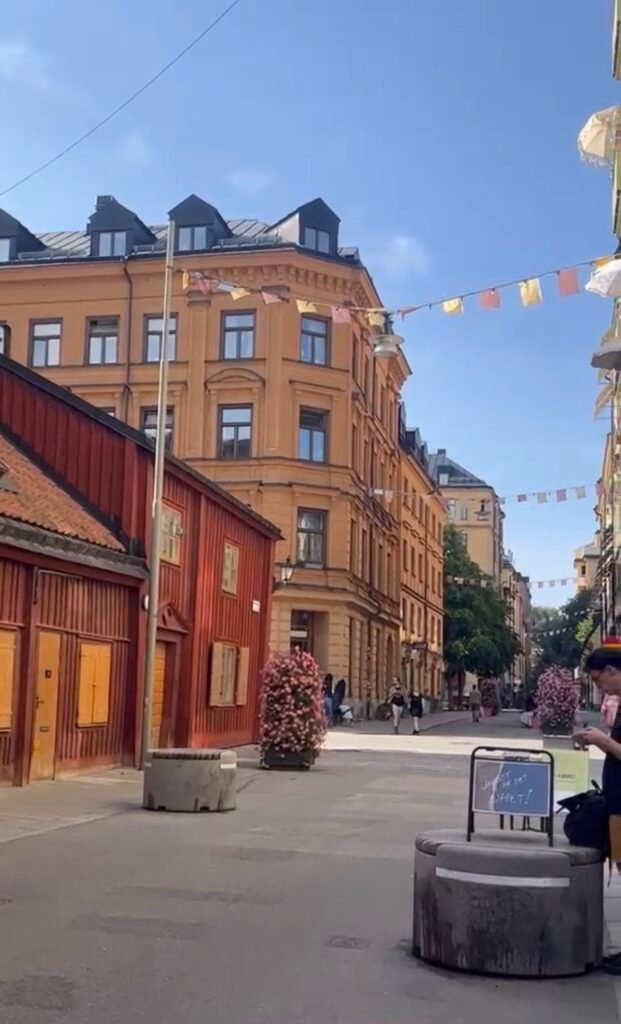
    I loved wandering around, stepping into shops without necessarily looking for anything, then continuing on foot towards Gamla Stan. It became a kind of ritual: Södermalm, a little shopping, then the old town.

    Gamla Stan, away from the postcards
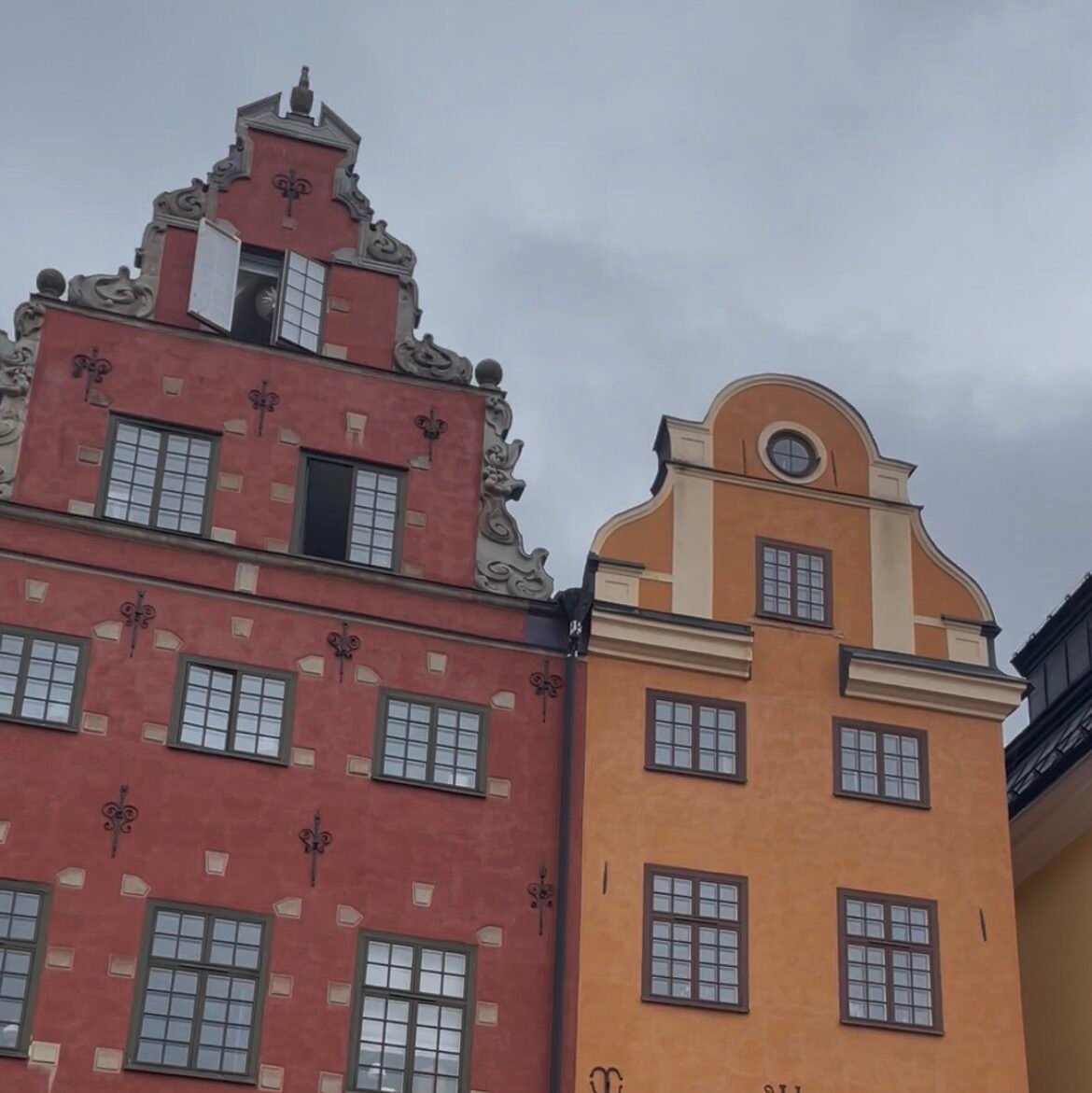
    We obviously explored Gamla Stan, Stockholm’s old town, with its narrow streets, colourful façades and historic buildings. We crossed Stortorget, looked around the Royal Palace, then continued along Österlånggatan, Prästgatan, Trångsund and Mårten Trotzigs gränd, one of the narrowest streets in the city.

    I particularly enjoyed moving away from the busiest streets and paying attention to the details of the façades and the little perspectives that appear around a corner.

    There was, however, one rather unexpected presence in almost every shop window: Pippi Longstocking, or Pippi Långstrump in Swedish, the famous red-haired girl with plaits created by Astrid Lindgren. The children certainly weren’t expecting to see her absolutely everywhere and were initially rather frightened by her. Which, naturally, made us laugh.

    We also visited the Nobel Prize Museum, located on Stortorget in the former Stock Exchange building. The museum tells the story of the Nobel Prizes and presents the lives, ideas and discoveries of their laureates.

    At Slussen, the major junction between Södermalm and Gamla Stan, we discovered another very Stockholm scene: Nystekt Stromming, a little food truck serving herring, recognisable by the enormous fish mounted on its roof. It was clearly a genuine lunchtime stop for local Swedes, who would stop there for lunch before carrying on with their day.

    We tried it and, somewhat unexpectedly, all thought it was really good, except my husband, who doesn’t particularly like fish and likes smoked fish even less. He therefore did not quite share our enthusiasm.

    For a little elevation, Katarinahissen, the historic lift overlooking Slussen, offers beautiful views over Gamla Stan and the islands of Stockholm. From Riddarholmen, another lovely viewpoint, the old town looks completely different from the waterfront.

    Fotografiska, the contemporary photography museum housed in the former customs building at Stadsgården, was another place I particularly wanted to visit. The exhibitions are obviously the reason to go, but I loved looking back out at the city and its landscapes from inside.

    Djurgården, from the Vasa to the Rosendal greenhouses
    On Djurgården, the island home to several of Stockholm’s major museums, we visited the Vasa Museum, dedicated to the spectacular 17th-century warship that spent 333 years at the bottom of the sea.

    I love boats, and I’ve always been fascinated by maritime history, particularly the Viking world. The Vasa was therefore one of the museums I was most looking forward to.

    The ship sank in 1628 on its maiden voyage and was raised in 1961. Its sheer size is impressive, but it was the sculptures, ornaments and extraordinary amount of preserved detail that fascinated me most.

    A few minutes away, the Nordiska Museet, the museum dedicated to Nordic culture and everyday life, offers another way of discovering Sweden through its objects, traditions and ways of life.

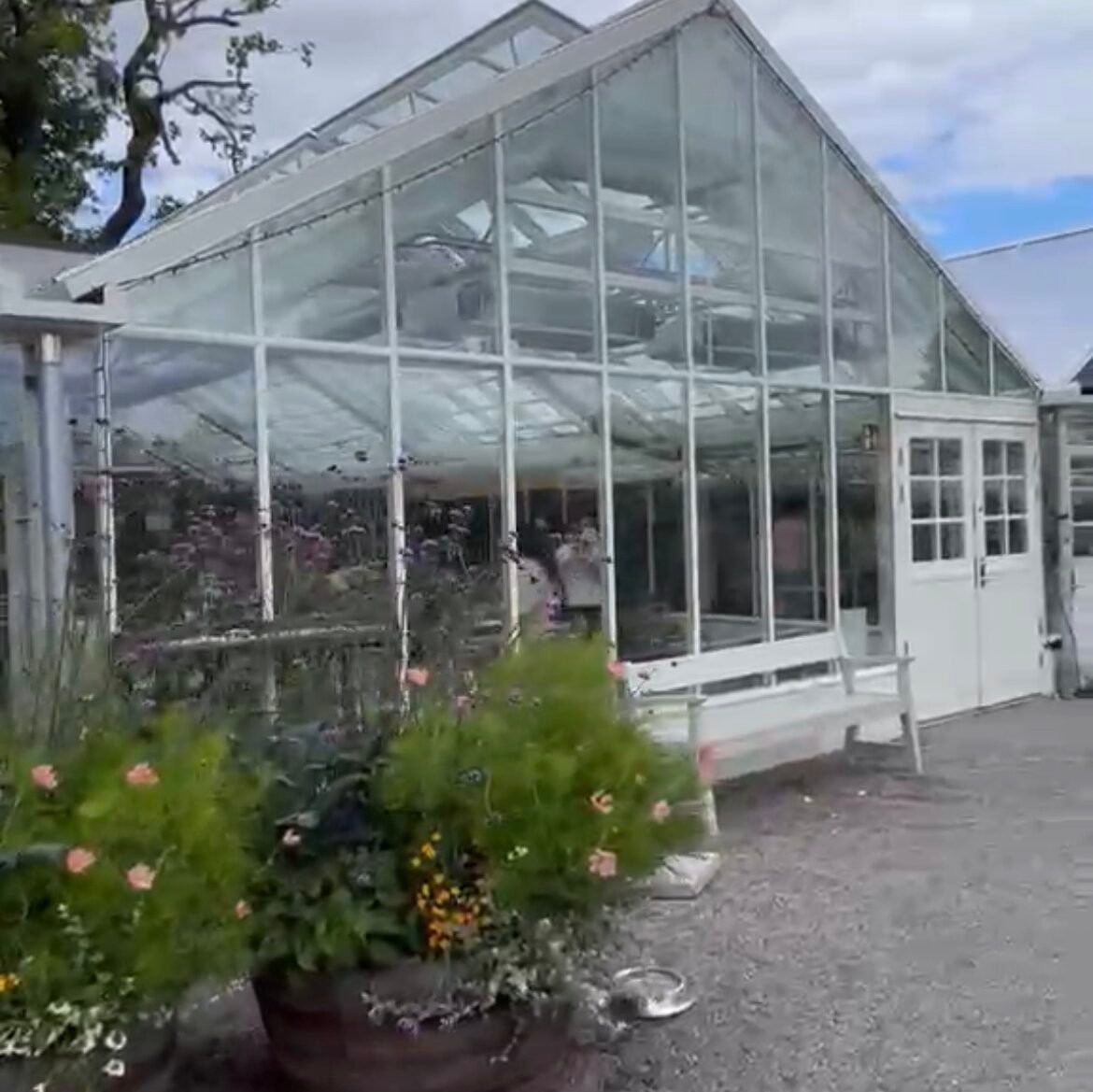
    But my real favourite on Djurgården was Rosendals Trädgård, a horticultural garden with crops, orchards and beautiful greenhouses where you can also eat and have a coffee. I loved it so much that I could easily have stayed there for the rest of the day.

    And I even met a few particularly greedy regulars: pretty little tits came to peck around us. They are so accustomed to visitors that they are hardly wild anymore and seem to have worked out perfectly well that Rosendals is an excellent place to find lunch.

    Fika, and especially Schweizer
    Of course, we had to experience fika, the Swedish ritual of taking a break over coffee and something sweet. I had noted Café Pascal, Coffee Gallery and Fosch Artisan Pâtisserie, as well as several bakeries including Tössebageriet, Stora Bageriet, Valhallabageriet, Fabrique and Frost Bageri.

    But there is one address that deserves a special mention: Schweizer, a pastry café on the very touristy Västerlånggatan in the heart of Gamla Stan.

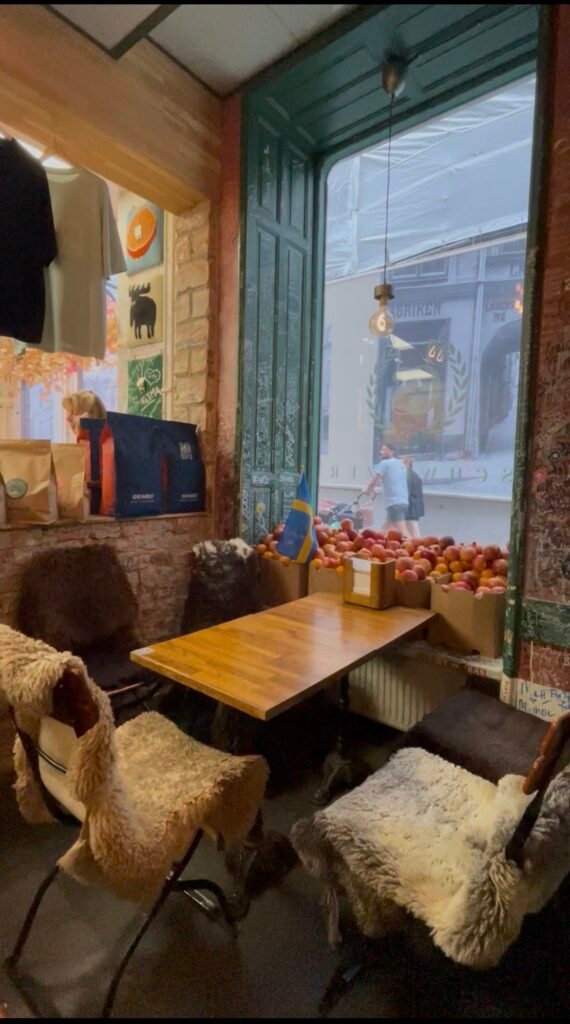
    At first glance, you could easily mistake it for a tourist trap. It sits on one of the busiest streets in the old town, and its décor is quite far removed from the pared-back aesthetic usually associated with Scandinavian coffee shops.

    And yet, please, don’t walk past.

    It is beautiful, warm and almost timeless, with crates overflowing with oranges and fruit that are very much part of the setting. You walk in out of curiosity and quickly understand why the place works so well.

    And then there are their cinnamon buns.
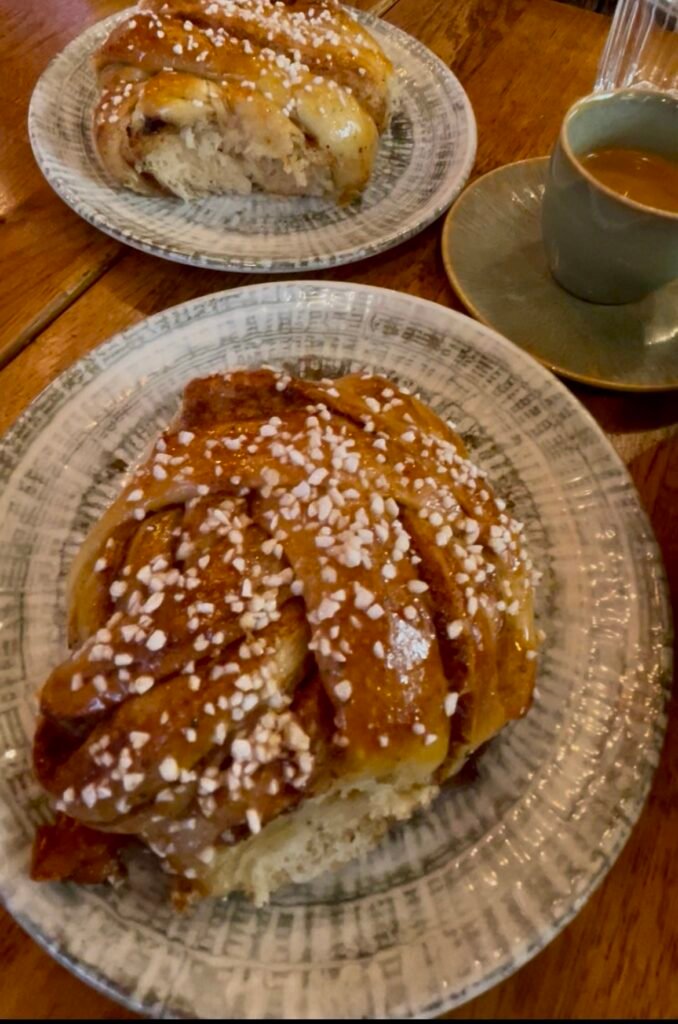
    I’ve eaten them in a lot of countries. Really, a lot.

    They are the best I have ever tasted.

    I realise that is quite a serious statement to make about a cinnamon bun, but I stand by it.

    Östermalm, between design and fashion

    In Östermalm, my ideal route begins at Östermalms Saluhall, the district’s magnificent historic food hall, before moving on to Svenskt Tenn, Nordiska Galleriet, Asplund and Nitty Gritty, with a coffee break on Nybrogatan and a walk towards Strandvägen.

    Svenskt Tenn, the iconic Swedish interiors house, is an obvious stop for textiles, patterns, furniture and the world of Josef Frank. Nordiska Galleriet, a reference for Scandinavian and international design, offers a more contemporary selection, while Asplund continues the exploration of Swedish furniture and objects.

    With Nitty Gritty, we naturally move into fashion.

    Then comes a pause on Nybrogatan, followed by Strandvägen, with its magnificent façades and waterfront promenade.

    Around Biblioteksgatan and Birger Jarlsgatan, there is no shortage of fashion addresses: Acne Studios, Byredo, A Day’s March, Nudie Jeans, ARKET, Totême and Filippa K, as well as maxjenny!, Maruschka De Margó and much more.

    For design and objects, I loved Skultuna and especially Brandstationen, a concept store housed in a former fire station, filled with furniture, lighting, ceramics and vintage pieces.

    I also found the more accessible shops particularly interesting. H&M Home felt much chicer and more considered than elsewhere, with real attention paid to materials and combinations. And Designtorget, the Swedish design and everyday-object retailer, offers a selection of designers that makes it very easy to leave with something.

    In my case, it was a set of little Swedish egg cups featuring different popular Swedish characters, including the hippopotamus.

    I absolutely did not need them.

    Naturally, I bought them.

    A little linen story

    I mostly brought back from Stockholm what I always seem to end up falling for: home textiles. This time, a beautiful khaki-green pure cotton duvet cover and two decorative linen cushion covers, of course, found their way into my suitcase.

    A little nod to my article about linen.

    For contemporary art, Wetterling Gallery and Galleri Duerr were among the addresses I wanted to discover. And then there is Thielska Galleriet, a museum housed in a villa by the water, where the house and its surroundings are almost as much a part of the experience as the artworks themselves.

    Stockholm will ultimately have left me with far more than I expected: the feeling that, for a few weeks, I had been perfectly happy somewhere.


    Where to stay

    Ett Hem
    A private house transformed into a hotel, with interiors by Ilse Crawford and a distinctly residential atmosphere. A discreet address for experiencing Stockholm differently.

    Hotel Frantz
    Set in a historic building in Södermalm, a good base for exploring the neighbourhood on foot and easily reaching Gamla Stan.

    Långholmen Hotell & Prison Museum
    Sleeping in a former prison is already quite an experience. On the leafy island of Långholmen, former cells have been converted into rooms, while the old prison also houses a museum dedicated to its history. The prison closed in 1975.

    The best food stops

    BAMBi
    A small Södermalm restaurant that has become a sought-after address for its inventive cooking and relaxed atmosphere. A good reason to stay in the neighbourhood for dinner.

    Babette
    In Vasastan, a little place that appears unpretentious but draws people in for its wood-fired pizzas, sharing plates and excellent wine selection.

    Solen
    In the new Slakthusområdet district, a contemporary restaurant centred around fire, with a cuisine that travels well beyond traditional Swedish classics. The industrial setting is part of the experience.

    Triton
    A much more discreet address in Södermalm, with ambitious cooking and an almost home-like atmosphere. The kind of restaurant you would rather discover than simply tick off.

    SNÖ
    In Vasastan, this family-run gelateria makes small batches of artisan ice cream, with classic flavours alongside much more unexpected combinations. A good reason to make the detour for something sweet.


    A different way to wander

    Vasastan
    A more residential Stockholm, with a lively café and restaurant scene and plenty of independent little addresses. Less immediately spectacular than Gamla Stan, but much more interesting when you want to see how the city actually lives.

    Kungsholmen
    For walking by the water, changing pace and discovering a more local side of Stockholm. The island lets you leave the obvious routes without really leaving the city centre.

    Slakthusområdet
    A former industrial district that has become one of Stockholm’s new creative hubs. Restaurants, bars, music and industrial architecture create a setting very different from traditional Stockholm.

    Skeppsholmen
    A small central island where architecture, contemporary art, design and waterfront walks come together. Moderna Museet and ArkDes sit side by side.

    Snösätra
    Away from the centre, this former industrial area has become a huge street-art and graffiti site. The works change regularly and the area offers a much rawer vision of Stockholm.


    The doors worth pushing open

    Moderna Museet
    Sweden’s major museum of modern and contemporary art on Skeppsholmen, with a collection that includes Picasso, Matisse, Dalí and many contemporary artists.

    ArkDes
    Sweden’s national museum of architecture and design. An especially interesting stop in Stockholm for understanding how design is woven into everyday life and the city itself. Admission to the exhibitions is currently free.

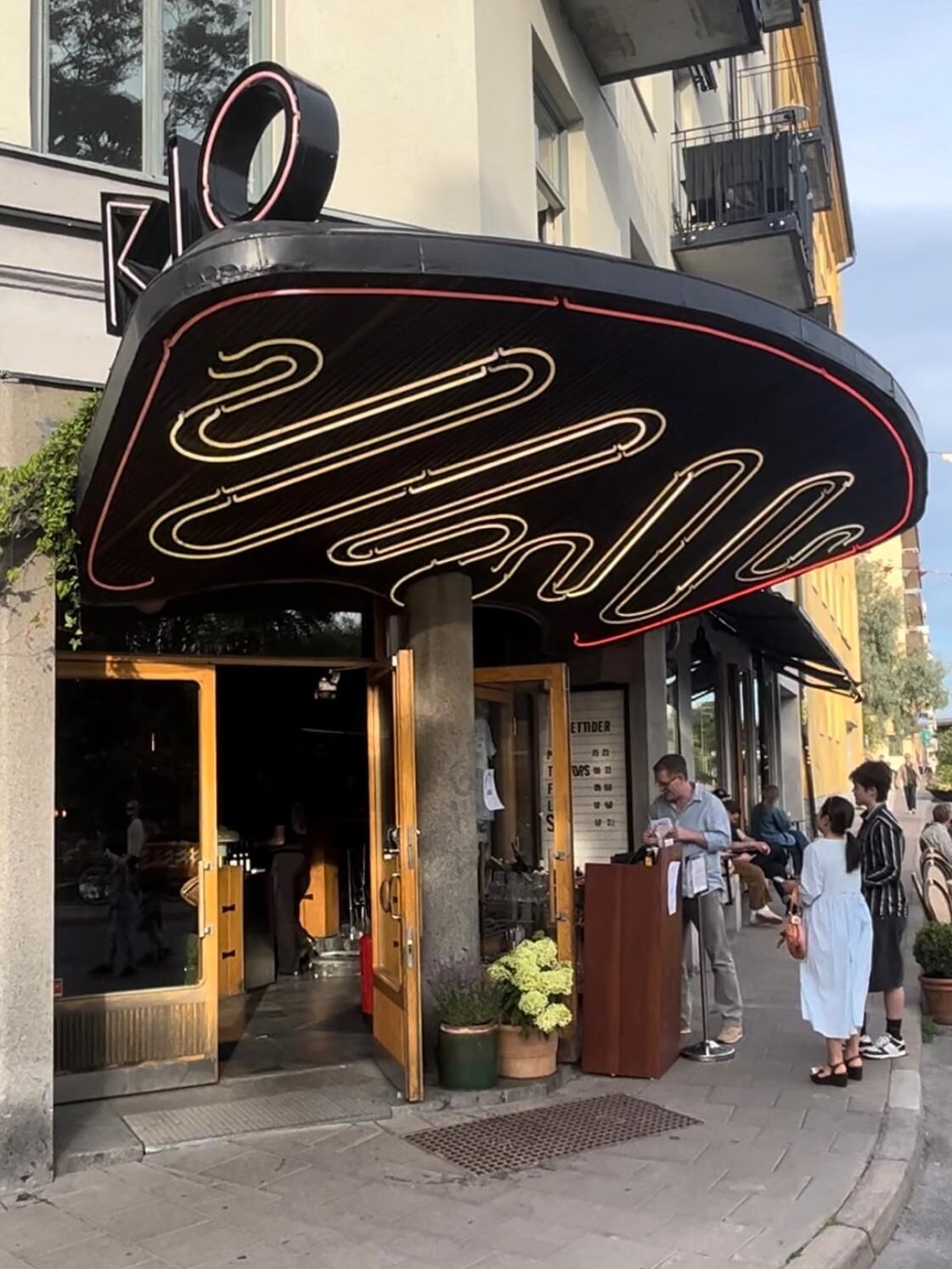
    Bio Rio
    An independent cinema in Hornstull, housed in a historic theatre and complete with its own restaurant. A place to see a film in a setting that genuinely belongs to the neighbourhood rather than a shopping complex.

    JUS
    An independent boutique for more conceptual and avant-garde fashion, far removed from the Scandinavian high-street names we already know.

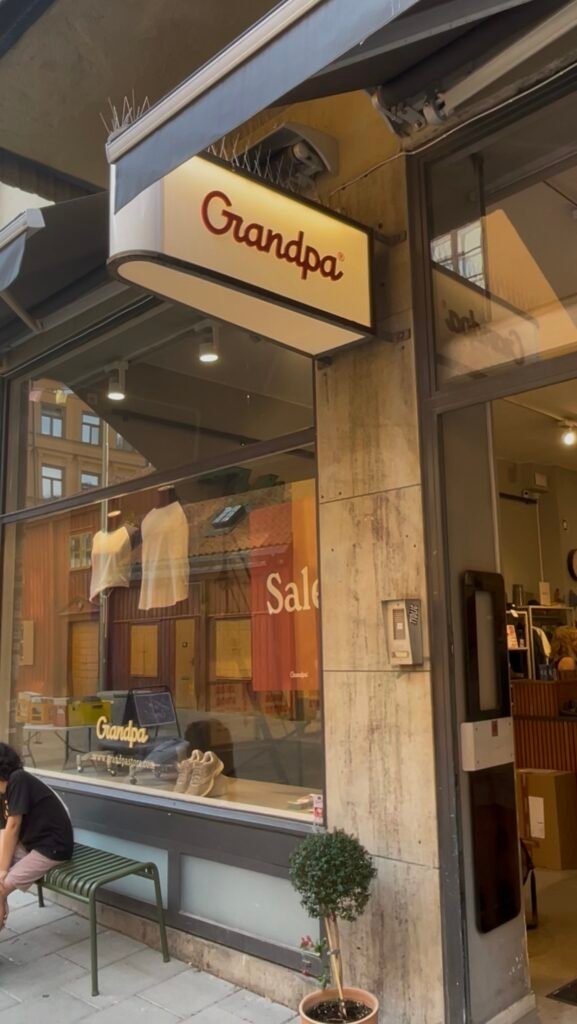
    Grandpa
    A SoFo lifestyle address combining fashion, accessories, objects and design. More interesting to explore as a whole world than as simply another shop.

    A few detours

    Långholmen Prison Museum
    The former prison on the island tells around 250 years of penal history, until the prison closed in 1975. The visit includes access to a former cell and an insight into the conditions prisoners lived in. The contrast with Långholmen’s greenery, paths and swimming spots is striking.

    Bergianska Trädgården
    Stockholm’s large botanical garden, set beside Brunnsviken. A perfect option for rediscovering the generous nature that I loved so much about the city.

    Kastellholmen
    A tiny island connected to Skeppsholmen by a bridge, with the red Kastellet fortress and beautiful views across Stockholm. A short but particularly pleasant walk.

    Vaxholm
    For a different side of the Stockholm archipelago: wooden houses, waterfronts, boats and the atmosphere of a seaside resort. An escape worth considering if you are staying for several days.

    Maison Chill Experience

    Take a sauna before jumping into the water
    In Stockholm, a sauna can lead directly to a swim. At Hellasgården, in the Nacka nature reserve, you can go from the sauna straight into the lake before warming up again beside the water. A very Swedish experience combining forest, heat and swimming.

    Take a ferry as a means of transport
    In Stockholm, boats are not simply tourist excursions. Several ferries are part of the SL public transport network, meaning you can use them with the same ticket as the metro or bus. A single adult ticket costs 43 SEK and is valid for 75 minutes, allowing you to enjoy a journey across the water for the price of an ordinary trip. Route 82, between Slussen and Djurgården, is particularly useful for seeing Stockholm from the water without booking a sightseeing cruise.

    Plan a swim in the middle of your day
    One of Stockholm’s most surprising features is that you can genuinely interrupt a day of sightseeing for a swim. Right in the city centre, there are places such as Tantobadet in Södermalm, Långholmen, Hornsbergs strandpark and Fredhällsbadet in Kungsholmen, as well as swimming jetties at Munkbrohamnen and Söder Mälarstrand. Here, swimming is part of everyday life, not something reserved for days spent outside the capital.
    17 August 2026

  • Berlin, the Unpredictable

    There are few cities where freedom feels quite so tangible.

    Not because it is constantly proclaimed.

    But because it feels hard won.

    Berlin does not try to erase its past. It lives with it. The Wall, the memorials, buildings marked by decades of history, the empty spaces left behind… everything is a reminder that freedom here was never simply given.

    And yet, what strikes you most is not the city’s past.

    It is the way Berliners have chosen to live alongside it.

    I thought I knew Berlin.

    I had visited a few years earlier and, like so many others, I had fallen for its raw energy, its monumental murals, its former industrial sites and that unmistakable feeling that the city refused to fit neatly into any category.

    Then, completely unexpectedly, I found myself thinking something I could never have imagined writing after my first visit.

    I had only just begun to discover it.

    Berlin is elegant.

    I can already picture you raising an eyebrow.

    So did I.

    Because, let’s be honest, when most people think of Berlin, Birkenstocks worn with socks come to mind long before elegance.

    And yet…

    Berlin’s elegance has nothing to do with high heels or perfectly tailored suits. It lies in the freedom to be yourself, without ever feeling the need to impress anyone.

    I began to understand this within my first few hours in Mitte.

    If there is one place that captures this understated elegance, it is Auguststraße.

    I can spend hours there without ever looking at the time.

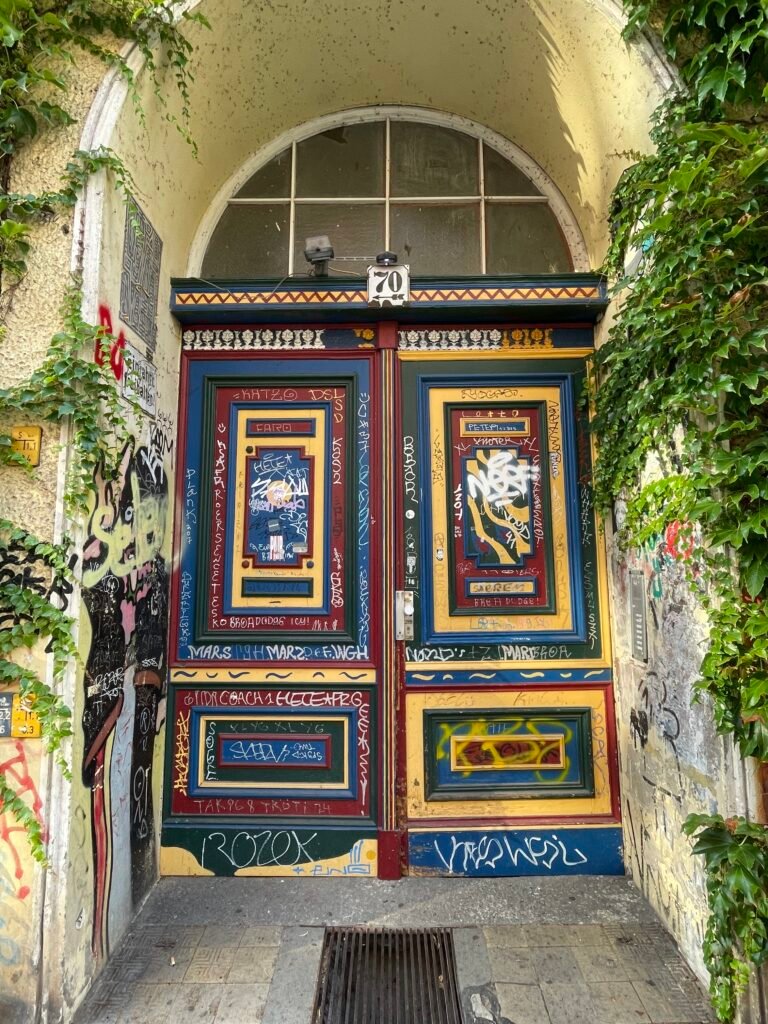
    A gallery hidden behind a carriage entrance. A café tucked away inside a quiet courtyard. A bookshop discovered almost by accident. More often than not, all it takes is opening a door to stumble upon something unexpected.

    Located in Mitte, Berlin’s historic heart, Auguststraße tells the story of the city’s transformation almost by itself. Once shaped by the division between East and West, it has become one of the most influential streets on Berlin’s contemporary art scene. Behind its discreet façades lie some of Europe’s most respected galleries. Just a few minutes away, Fotografiska devotes several floors to contemporary photography, while König Galerie has given new life to the former St. Agnes Church as one of the city’s most remarkable contemporary art spaces.

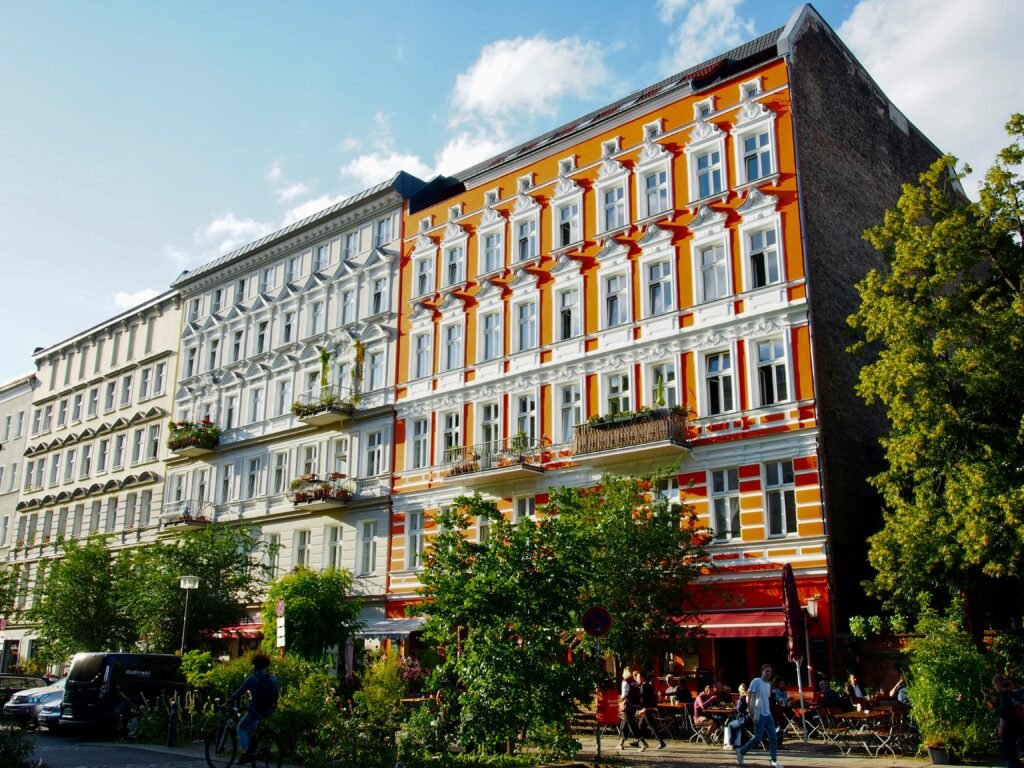
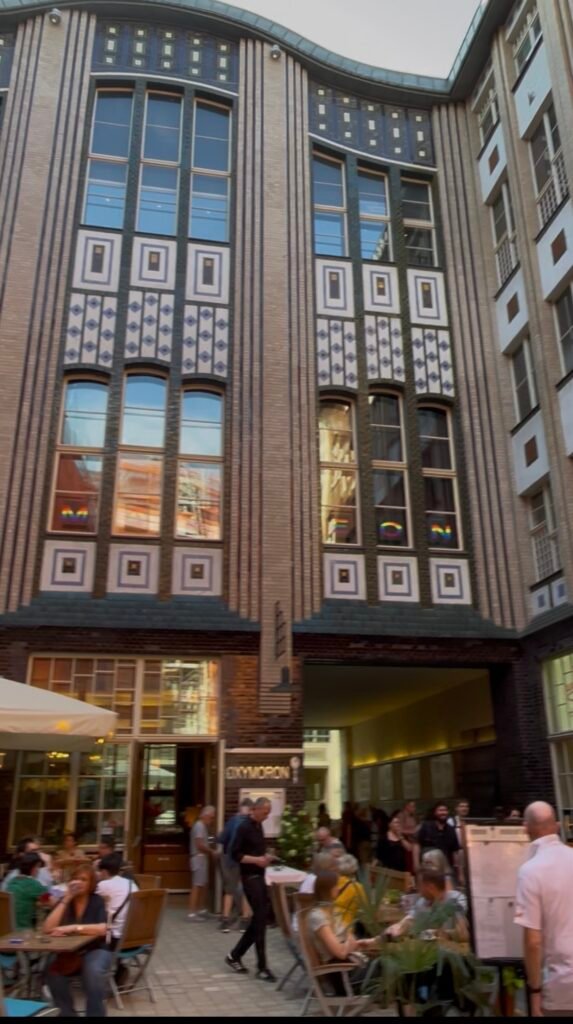
    A short walk away, the Hackesche Höfe reveal another side of Mitte. Built at the beginning of the twentieth century, these eight Art Nouveau courtyards were originally designed to combine homes, workshops and shops. Today, wandering from one courtyard to the next feels like discovering a hidden village filled with cafés, independent boutiques and creative studios.

    I enjoy wandering along Rosenthaler Straße just as much.

    If there is one place where my husband knows he will have to be patient, this is it. I stop in front of almost every concept store. The selections are carefully curated without ever feeling intimidating. Emerging designers, beautiful stationery, interiors, independent labels… the sort of shops that make you want to redecorate your entire home when you had only set out in search of an ice cream.

    It was also here that my children declared they had found the best ice cream in Berlin.

    Actually… the best in the world, if their enthusiasm was anything to go by.

    Three visits to Canal in just a few days.

    I’d love to tell you we kept coming back to admire the Hackesche Höfe.

    The truth is far less glorious.

    We mostly came back for the ice cream.

    And I have to admit… they may well have been right.

    It was also in this neighbourhood that we wandered into the Berlin Biennale almost by accident. We thought we were simply visiting an exhibition. Instead, we ended the evening with a drink in hand at the bar inside the venue, right in the middle of an event we had never planned to attend.

    A few U-Bahn stops later, another side of Berlin comes into view: Kreuzberg.

    If Mitte tells the story of the city’s cultural revival, Kreuzberg reveals its freest spirit.

    Bordering the Wall for decades, the neighbourhood became, from the 1970s onwards, a refuge for students, artists, musicians, activists and a thriving Turkish community. Long before diversity became a marketing slogan, it was already woven into Kreuzberg’s identity.

    That is what makes Bergmannstraße and Graefestraße such a pleasure to explore.

    You don’t come here to tick places off a list.

    You come here to experience Berlin.

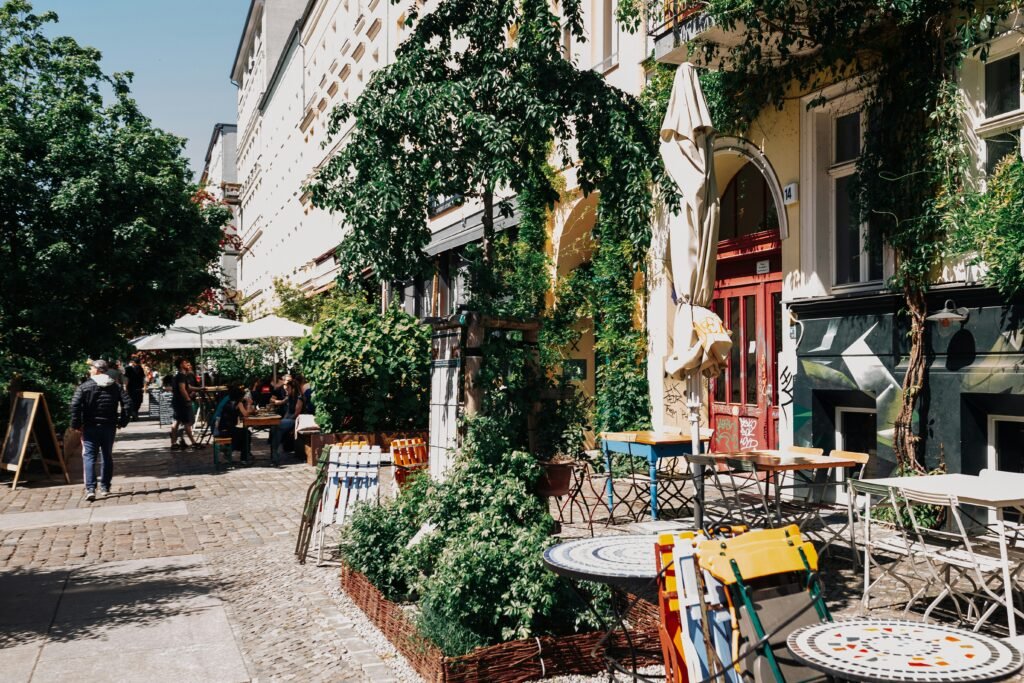
    Cafés spill out onto the pavements, independent bookshops sit alongside concept stores, artisan bakeries share the street with restaurants serving flavours from every corner of the world. And before you even realise it, you’ve found yourself by the Landwehr Canal, where Berliners gather the moment the sun comes out.

    In Berlin, neighbourhoods exist first and foremost for the people who live in them.

    Perhaps that’s what makes them so appealing.

    After the Wall came down, the city had to reinvent itself.

    Berliners could have erased the traces of the past.

    Instead, they chose to build with them.

    I left with the feeling that Berlin still hadn’t revealed all of itself.

    And perhaps that’s exactly what makes you want to return.


    Stay in the Heart of Creative Berlin

    Telegraphenamt

    The city’s former Imperial Post Office has been transformed into one of Mitte’s finest hotels. Spectacular interiors, contemporary design and the perfect location for exploring Auguststraße, the Hackesche Höfe and Rosenthaler Straße on foot.

    Château Royal

    An elegant and discreet address where contemporary art meets refined interiors. A peaceful retreat just a short walk from Unter den Linden.

    The Circus Hotel

    Creative, welcoming and refreshingly affordable, right in the heart of Rosenthaler Platz. The perfect base for experiencing Berlin at its liveliest without compromising on comfort.


    The City’s Finest Culinary Stops

    Father Carpenter

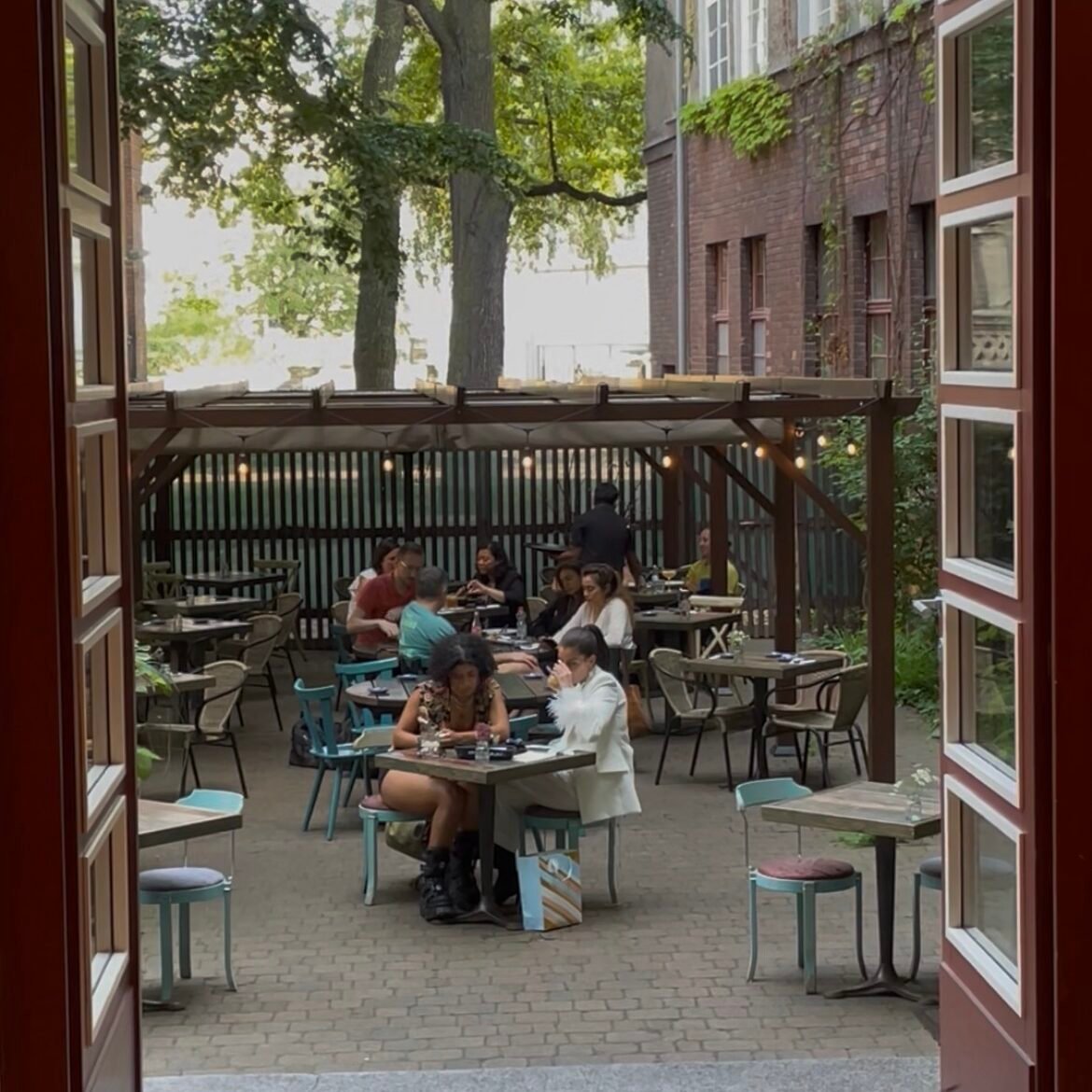
    Hidden away at the back of a quiet courtyard, this café has become a true Berlin institution. Outstanding speciality coffee, generous brunches and a peaceful atmosphere far removed from the city’s busiest streets.

    House of Small Wonder

    A light-filled café where the setting is every bit as memorable as the food. Japanese and European influences come together in a lush, green oasis.

    Grill Royal

    One of Berlin’s great institutions overlooking the River Spree. Refined cuisine, a beautiful terrace and a crowd that effortlessly mixes artists, gallery owners and loyal regulars.

    Canal

    Ice cream worth crossing the city for. Flavours change with the seasons, making every visit a little different. My children certainly thought so… they insisted on coming back three times.

    Bonanza Coffee Roasters

    One of Berlin’s speciality coffee pioneers. Simple, uncompromising and always buzzing with life.

    Wander Differently

    Auguststraße

    Quite possibly Berlin’s most inspiring street. Galleries, cafés, concept stores and hidden courtyards invite you to slow down and let curiosity lead the way.

    Rosenthaler Straße

    The creative heart of Mitte. The kind of street where you step into a shop “just to have a look” and somehow emerge much later than planned.

    Bergmannstraße

    One of Kreuzberg’s most enjoyable streets, lined with independent bookshops, lively terraces and neighbourhood shops.

    Graefestraße

    Quieter and more local, it reveals a side of Berlin where life still unfolds at an unhurried pace.

    Landwehr Canal

    By the end of the day, its banks become Berlin’s outdoor living room. People simply gather here to watch the light change.


    Doors Worth Opening

    Fotografiska

    One of Europe’s finest museums dedicated to contemporary photography, housed in a beautifully restored historic building. Don’t miss the rooftop before you leave.

    König Galerie

    A contemporary art gallery set inside the striking Brutalist St. Agnes Church. A place that perfectly captures Berlin’s remarkable ability to reinvent its architectural heritage.

    Hackesche Höfe

    Eight interconnected Art Nouveau courtyards filled with workshops, cafés, galleries and independent boutiques. One of the best places to understand the spirit of Mitte.

    Do You Read Me?!

    A must-visit bookshop for anyone passionate about photography, design, architecture and independent magazines.

    Voo Store

    One of Berlin’s most iconic concept stores, bringing together fashion, design and coffee in an atmosphere that perfectly reflects the spirit of Kreuzberg.


    Worth the Detour

    Tempelhofer Feld

    A former airport transformed into one of Europe’s most extraordinary public parks. Berliners come here to cycle, run, picnic or simply enjoy the vast open space.

    Charlottenburg

    A more classical side of Berlin, where elegant avenues, royal palaces and discreet addresses reveal another chapter of the city’s history.

    Pfaueninsel

    A small island listed as a UNESCO World Heritage Site, perfect for a peaceful escape surrounded by nature.

    Potsdam

    Less than an hour away by train, palaces, gardens and lakes make for the perfect day trip to extend your stay.

    The Maison Chill Way

    Berlin is far more than its Wall, its galleries and its alternative spirit.

    It’s easy to forget that it was once the capital of Prussia. Yet just twenty minutes away, Charlottenburg Palace reveals an entirely different side of the city: a magnificent Baroque residence, lavishly decorated state rooms, an outstanding porcelain collection, gardens inspired by Versailles and an elegance that feels worlds away from the Berlin most people imagine.

    A few U-Bahn stops later, you’re back in a former industrial building transformed into a contemporary art gallery, or wandering through the creative streets of Kreuzberg.

    And if you’re travelling with children, step inside a Kindercafé. Designed with families in mind, these cafés allow little ones to play freely while parents simply enjoy lingering over a good cup of coffee.

    A simple idea, yet one that says a great deal about a city where quality of life is woven into everyday life.

    It is in these contrasts that Berlin truly reveals itself.

    7 August 2026

  • Venise as suspended in time

    There are cities that constantly reinvent themselves.

    Every few months, a new neighbourhood becomes the place to be. Cafés change names, restaurants come and go, and last year’s must-visit addresses quietly fade into the background. You return feeling as though everything has changed.

    And then there is Venice.

    A city that seems to have made a different choice.

    To keep telling its own story.

    At a time when so many destinations compete to offer the newest experience, Venice moves at its own pace. Of course, it evolves. Locals talk about overtourism, rising living costs and younger generations leaving the historic centre. Yet somehow, its identity has remained untouched.

    This was my second visit.

    The first time, I left completely captivated. This time, I wanted to return to the city that had stayed with me for so long — and share it with my boys.

    Their plan was surprisingly simple: eat as much gelato as possible, compare every pizza, run up and down every bridge they could find and hop on a traghetto every time they spotted a gondola.

    Perhaps they had understood Venice better than any of us.

    A few days before our trip, a friend told me about a holiday she’d taken with her ex-husband. Every day had become a race against the clock. One museum. Two landmarks. Three recommended restaurants. A sunset they absolutely couldn’t miss. By evening, everyone was exhausted.

    I thought about that as I watched my children running from one bridge to the next.

    They had no idea where we were supposed to go afterwards.

    And they couldn’t have been happier.

    I’m not one of those people who believe famous places should be avoided. Quite the opposite.

    If Piazza San Marco attracts millions of visitors every year, it’s probably because it deserves to.

    The Basilica does too.

    I still remember the moment I looked up at its golden mosaics. Once again, beauty brought tears to my eyes. Some masterpieces impress you. Others catch you completely off guard. St Mark’s Basilica belongs to the kind you carry home long after the journey is over.

    The Doge’s Palace deserves the same admiration. Behind its Gothic façades lies far more than a palace: it was the heart of the Venetian Republic. For more than a thousand years, La Serenissima stood among the world’s greatest maritime powers. Its merchants sailed as far as Constantinople, its fleet dominated the Mediterranean and its artists helped shape the city’s influence far beyond the lagoon.

    That is also what makes Venice unlike anywhere else.

    You don’t simply visit a city.

    You walk through a story that still lives within its stones.

    A few streets are all it takes

    Beyond the Fascination

    The crowds begin to disappear almost without warning.

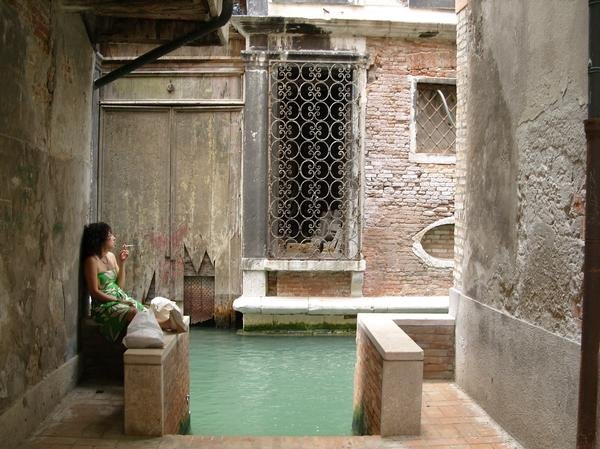
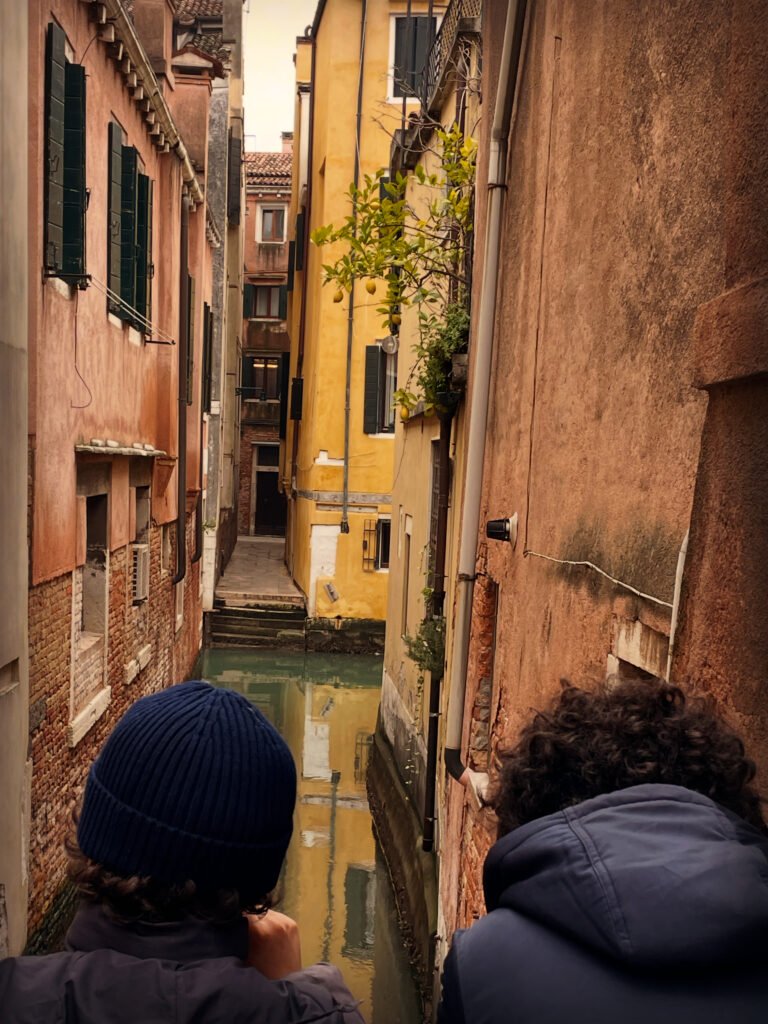
    At Campo Santa Maria Formosa, conversations slowly replace the sound of rolling suitcases. A little further on, Cannaregio settles back into its everyday rhythm. Children play in the squares, locals return home carrying their groceries, and visitors become noticeably fewer.

    This is where I found the Venice I had come back for.

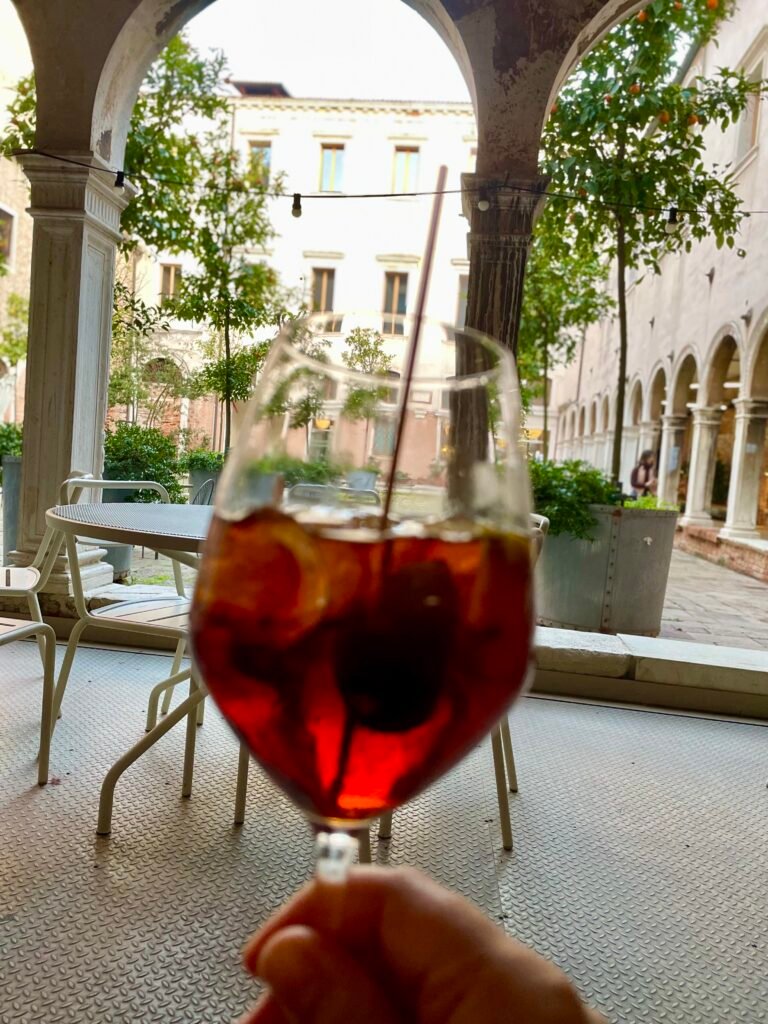
    Behind the walls of Combo Venezia, a former monastery turned hotel, café and cultural space, students work quietly beneath the cloisters while travellers read, chat over coffee or linger with a glass of wine.

    Nothing extraordinary.

    That’s precisely the point.

    I love places that don’t try to become attractions.

    They simply exist.

    Just like the city itself.

    A little further on, it’s impossible to resist Libreria Acqua Alta. Books stacked inside gondolas, cats that seem to have appointed themselves guardians of the place, staircases built from old volumes… It could easily feel theatrical. Somehow, it doesn’t. The magic remains intact.

    Towards the end of the day, we made our way to Squero di San Trovaso, one of the last traditional workshops where gondolas are still built and restored by hand. Just across the canal, at Cantinone già Schiavi, cicchetti line the counter while Venetians linger over a spritz, putting the world to rights.

    We found a place by the water.

    The boys watched the gondolas.

    I watched the boys.

    And it struck me that the memories I would treasure most from this journey might not be St Mark’s Basilica or the Doge’s Palace after all.

    But this quiet late afternoon.

    A moment when no one looked at their watch.

    Perhaps that is Venice’s greatest luxury.

    Not that it takes us back in time.

    But that, for a few precious days, it makes time itself feel slower.

    Sleeping in a Palace… or a Former Monastery

    Nani Mocenigo Palace

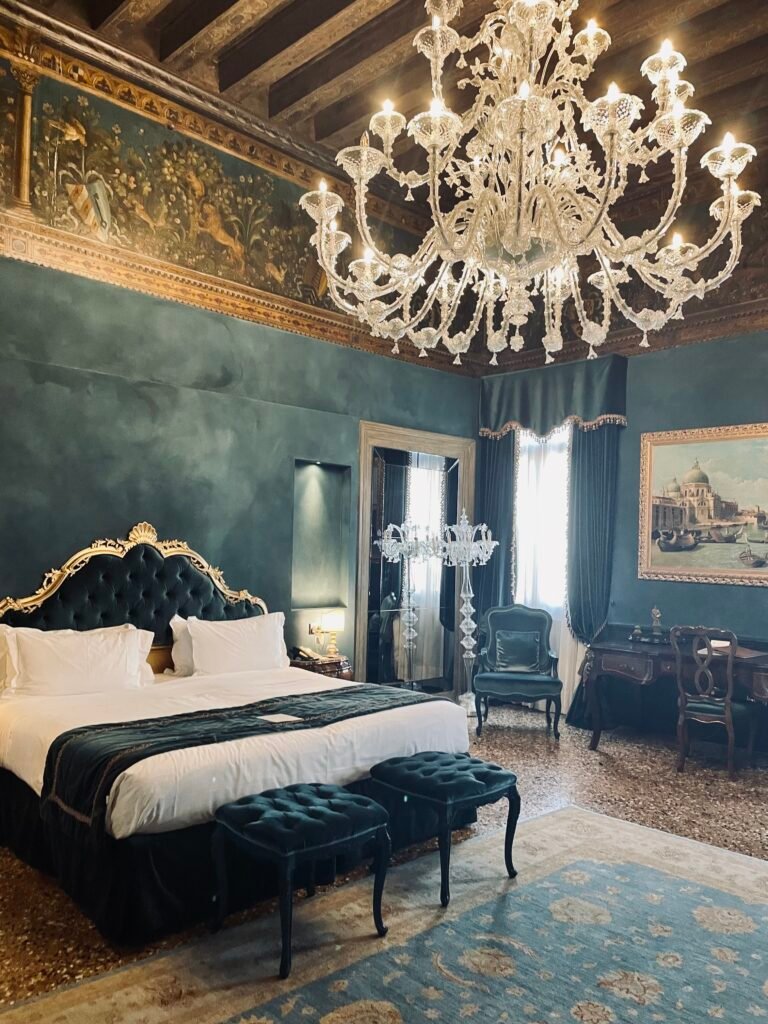
    A 16th-century palace transformed into an elegant boutique hotel. Frescoed ceilings, a peaceful inner garden, absolute tranquillity and an ideal location in Dorsoduro. A beautiful way to extend the feeling of sleeping inside Venice’s history without compromising on comfort.

    Combo Venezia

    More than a hotel, it’s a place where people gather. Set inside a beautifully restored monastery, Combo combines accommodation, a café, a restaurant and a rich cultural programme, all wrapped in understated contemporary design. Even if you’re not staying overnight, step inside the cloister.

    Ca Maria Adele

    Just a handful of rooms, refined interiors and one of the finest views of Santa Maria della Salute. An intimate address for a romantic escape.

    The Most Beautiful Culinary Stops

    Cantina Do Spade

    One of Venice’s oldest taverns. Generous cicchetti, a lively mix of locals and visitors, and an atmosphere that proves some places never need reinventing.

    Cantinone già Schiavi

    The perfect stop for a spritz and a selection of cicchetti overlooking Squero di San Trovaso.

    Osteria Anice Stellato

    Contemporary Venetian cooking that’s subtle, elegant and beautifully executed in the Cannaregio district.

    Torrefazione Cannaregio

    A proper coffee break away from the busiest squares.

    A Different Way to Wander

    Cannaregio

    The neighbourhood where Venice settles back into its everyday rhythm. Walk without a destination and simply watch the city live.

    Campo Santa Maria Formosa

    A graceful transition between Venice’s iconic landmarks and its quieter side.

    Fondamenta della Misericordia

    As evening falls, students, families and locals fill the terraces. One of the loveliest places to end the day.

    Doors Worth Pushing Open

    Libreria Acqua Alta

    A cult bookshop where books share the space with gondolas, bathtubs and a handful of particularly self-assured cats.

    Fondazione Querini Stampalia

    A historic palace where contemporary art lives alongside one of Carlo Scarpa’s most beautiful gardens. Still surprisingly overlooked.

    Scala Contarini del Bovolo

    A spiral staircase leading to one of the finest views over Venice’s rooftops.

    Worth the Detour

    Murano

    Far more than an island famous for glass. Several workshops welcome visitors, offering a chance to watch master glassblowers at work.

    Burano

    Its colourful houses may draw photographers, but the real pleasure is lingering over lunch after the crowds have left.

    Torcello

    Home to only a handful of residents, an extraordinary basilica and an atmosphere that feels almost suspended beyond time.

    20 July 2026

  • Another way to visit Dubai

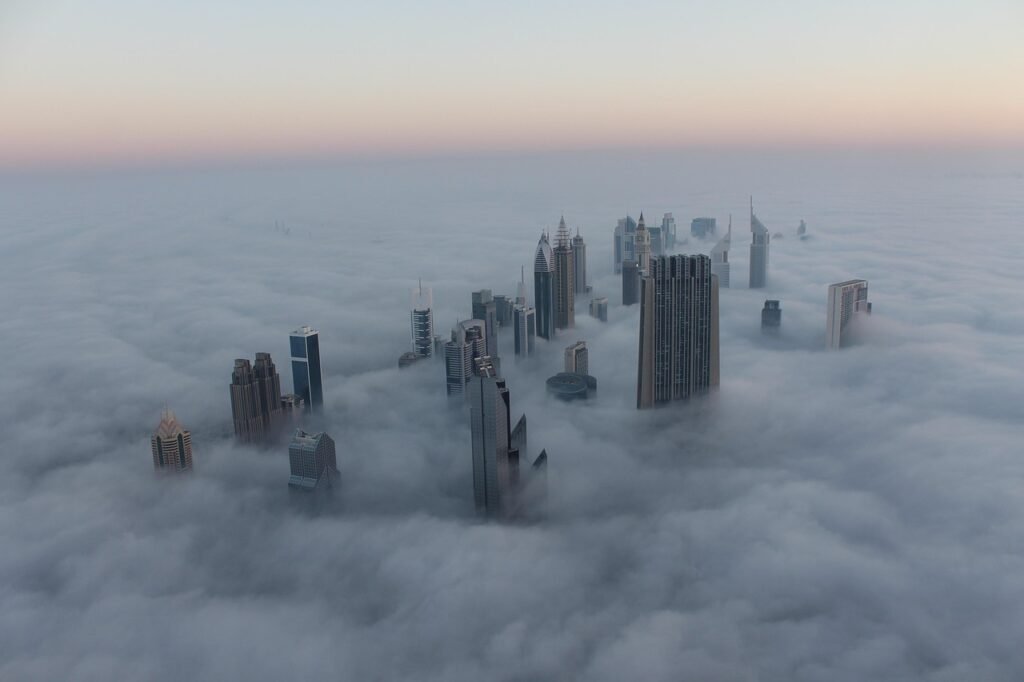
    I refused to go to Dubai for a long time.
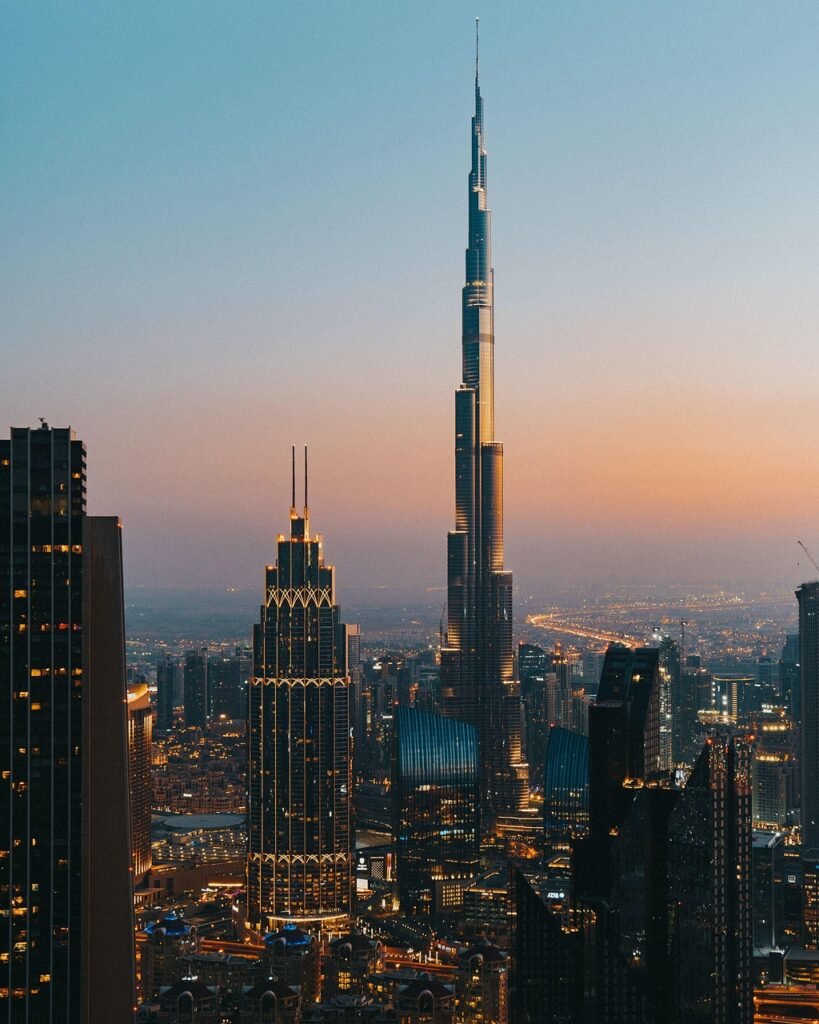
    Because of its clichés, its overwhelming image, sometimes loud, and that sulphurous reputation that seemed to leave little room for nuance, quiet elegance, or anything truly delicate.

    And then, after hearing it described the same way over and over again, I began to understand that the issue was perhaps not the city itself, but the way we look at it.
    Dubai is not only what it displays most loudly.
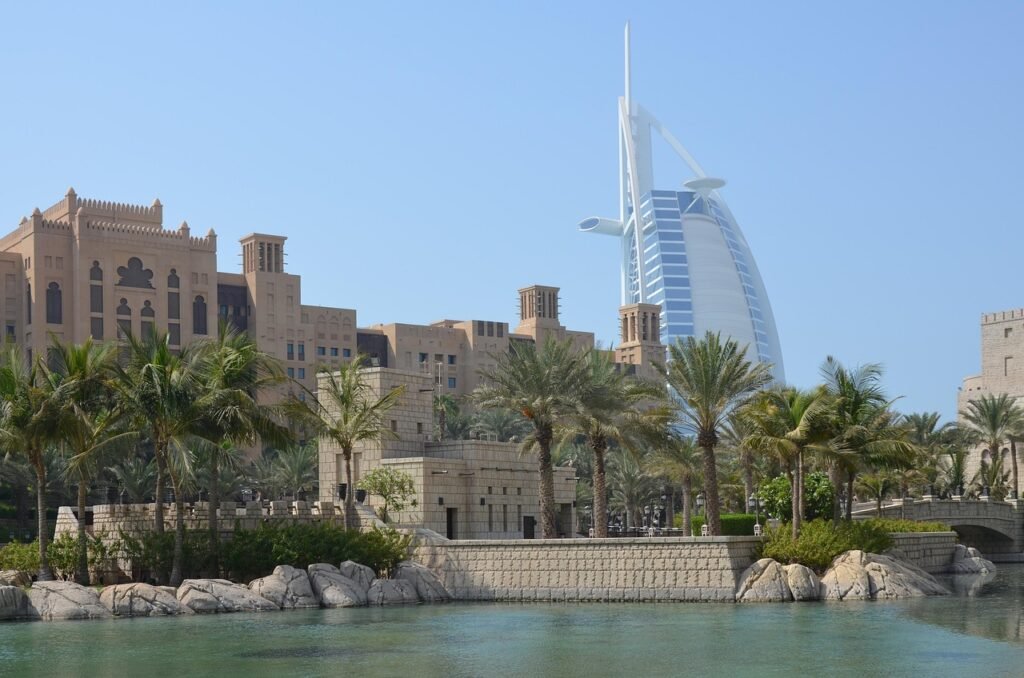
    It deserves to be noticed in its in-between spaces.

    In a shaded alley in Al Fahidi, when the heat begins to soften.
    In an almost empty café on a weekday morning.
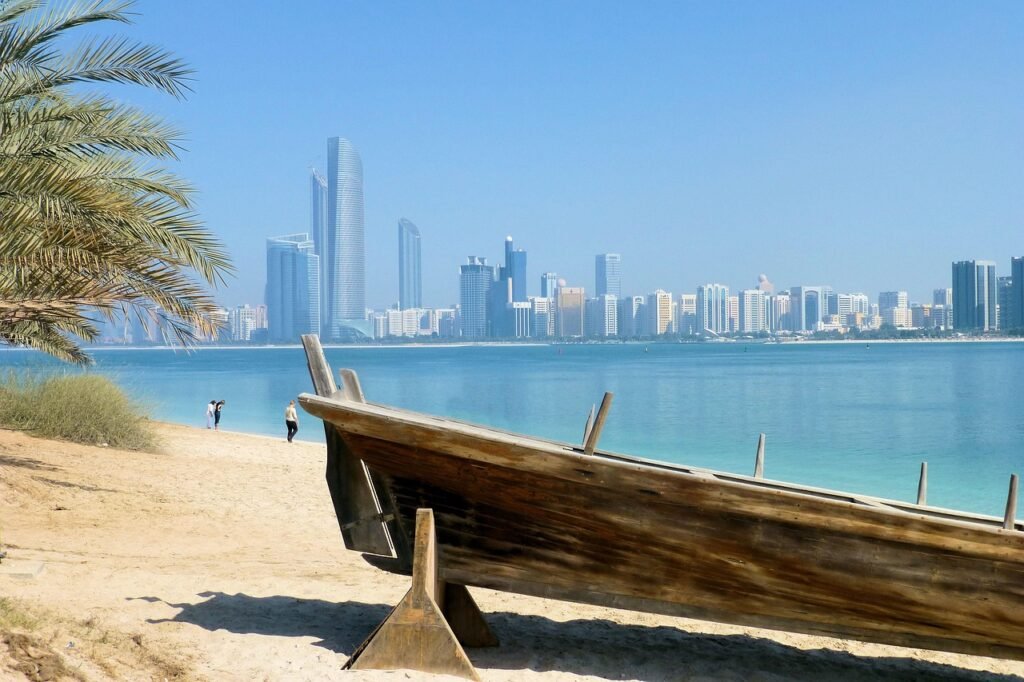
    In the unexpected silence of a beach, before the city fully wakes.

    Once you stop consuming it as a spectacle, Dubai becomes deeply interesting.
    It is not a city you love immediately.
    It is a city you choose — or you don’t.


    Behind the exuberance, a softness you have to earn

    Dubai doesn’t need to be loved for what it shouts, but for what it whispers.

    In the historic district of Al Fahidi, time slows down.
    Weathered walls, quiet courtyards, narrow streets that invite you to wander without purpose.

    Along Dubai Creek, abras glide gently from one bank to the other.
    The gesture is simple, almost ordinary, and yet it tells the story of another Dubai — older, more human.

    Further west, Jumeirah offers a completely different rhythm.
    Low buildings, open air, an almost residential atmosphere.
    You walk along the sea, you stop for no reason, you let the light organise the day for you.

    It is a Dubai of everyday life, rarely shown, yet profoundly soothing.

    Slowing down in Dubai does not mean disappearing.
    It requires, on the contrary, a kind of active attention.

    You have to choose: what you cross through, what you ignore, what you truly look at.
    Dubai does not reveal itself to those seeking instant emotion.
    It speaks more to those willing to edit, not to consume less, but to consume with more intention.

    Perhaps a city known for its noise can become unexpectedly precise, almost elegant, once you stop treating it like a catalogue.
    Dubai is neither intimate nor spectacular by nature.
    It becomes fascinating when approached as a space to inhabit — temporarily, with discernment.

    This is not a destination you endure.
    It is a city you compose.

    And in that composition — between intense light, intoxicating warmth, seamless logistics, and possible escapes — Dubai reveals something rare:
    the ability to let everyone decide the level of intensity they wish to live.


    Where to stay, in the shade of the skyscrapers

    XVA Art Hotel
    A charming hotel nestled inside a restored traditional house.
    Art, calm, an inner courtyard.
    Ideal for a family looking for meaning rather than spectacle.

    Al Seef Heritage Hotel
    An elegant immersion in an older Dubai, reinterpreted with sobriety.
    Everything is walkable, the atmosphere peaceful, almost timeless.

    Jumeirah Dar Al Masyaf
    More spacious, wonderful for families.
    Greenery, canals, beach access.
    Comfort without ostentation.


    Gourmet pauses

    Orfali Bros Bistro
    Sincere, creative, warm cooking.
    A place where you feel genuinely good, even with children.

    SEVA
    A soothing, vegetarian, almost meditative space.
    Perfect for slowing down and having lunch without agitation.

    Wild & The Moon
    Simple, bright, without dogma.
    An obvious choice for healthy, quick, genuinely good meals.

    Bait Maryam
    Levantine cooking that feels warm and precise, without folklore.
    Dishes that carry a family story.


    Shopping and small indulgences

    Gold & Diamond Park
    A group of independent jewellers, away from the Gold Souk (which is worth seeing as well).
    Specialised workshops focused on bespoke pieces, with real freedom of design.

    Comptoir 102
    A concept store blending fashion, objects and café culture.
    A curated selection of discreet brands and everyday pieces.

    The Edit Dubai
    A multi-brand boutique built around a contemporary wardrobe.
    Small collections, far from logos and seasonal noise.

    Tashkeel
    A space dedicated to design and local creation.
    Objects, books and editions born from collaborations with artists and designers from the region.

    Alserkal Avenue
    A creative district set inside former warehouses.
    Galleries, bookshops and studios you can explore on foot, without a prescribed route.


    The desert and more

    The desert, in its contemplative version, early in the morning or at sunset.
    Walk, sit down, watch the landscape shift.
    The silence is striking, nourishing.

    Crossing the Creek by abra is simple and inexpensive.
    Jumeirah’s beaches during the week, barefoot, without staging.

    Here, nothing to achieve. Just to be there.


    Day trips to neighbouring cities

    And if time allows, several neighbouring cities are easily accessible.
    Simple escapes — for a day or a short night — offering other readings of the region.

    Abu Dhabi
    About an hour’s drive away, Abu Dhabi feels more cultural, more institutional.
    Museums, contemporary architecture designed for contemplation, wide calm spaces.
    A structured day, quieter than Dubai.

    Sharjah
    Even closer, Sharjah offers a different atmosphere: more rooted, more local, less staged.
    You sense more history and tradition, away from social noise.

    Oman
    If you have more time, Oman becomes an obvious extension.
    In under an hour’s flight, the landscape changes completely: mineral mountains, long roads, sober villages.
    A natural continuation for those who want something more raw, more silent.

    So many possible breaths, without weighing down the journey.

    Dubai imposes nothing.
    It lets you be.
    And that is, perhaps, exactly what we are looking for.

    Maison Chill Notes

    Skip Downtown for sleeping
    Downtown is impressive, but it can feel overwhelming quickly. For a more grounded experience, stay in neighbourhoods such as Jumeirah, Al Seef or Al Fahidi, and cross Downtown intentionally rather than by default.

    Plan a mid-day return
    Go out early, when the light is still soft and the city moves more quietly, then return to your hotel before the heat and tempo rise. This pause changes everything: you see more clearly, accumulate less fatigue, and step out again in the late afternoon with renewed energy.

    30 January 2026

Retour à l'accueil